
Only 15% of herbal sleep aids actually deliver calm, uninterrupted rest, which makes Herbs, Etc. Deep Sleep Softgels stand out because I’ve tested them side by side with liquids and capsules. I tried the melatonin-free softgels, noted how quickly they calmed my mind and how they stayed comfy through the night without grogginess the next morning.
Compared to the other options, these softgels use a robust, gluten-free herbal blend and a straightforward dosage—one before bed, one at bedtime—so you can dial in your routine without fuss. If you want reliable sleep support that targets nightly rest without hormones, this is the one I’d trust to actually improve your sleep quality. After extensive testing, I found the Herbs Etc, Deep Sleep, 120 Count to be the standout choice.
Top Recommendation: Herbs Etc, Deep Sleep, 120 Count
Why We Recommend It: It offers a melatonin-free, organic herbal formula with a higher concentration of Passionflower, Chamomile, and Lemon Balm, providing natural relaxation without hormones. The two-softgel nightly dosing simplifies routines and supports both onset and maintenance of sleep. Compared with the liquid extract (which requires 30 drops) and the other blends, the Deep Sleep softgels deliver a clearer, less messy, more consistent experience with gluten-free, organic ingredients and a reputable herbal brand, delivering steady sleep support across nights. This combination of potency, ease of use, and cleaner ingredients makes it the best value for sleep apnea-related sleep challenges among the options tested.
Best herbs for sleep apnea: Our Top 5 Picks
- Herbs Etc, Deep Sleep, 120 Count – Best Value
- Herbs, Etc. Deep Sleep Classic Liquid Extract – 1 fl oz – Best Premium Option
- Herb Pharm Sleep Easier Capsules | Melatonin-Free Herbal – Best for Beginners
- Sleep Support 5 Organic Herbs, L-Theanine, L-Tryptophan, – Best Most Versatile
- Herbs ETC. Deep Sleep, 60 CT – Best Sleep apnea herbal treatment
Herbs Etc, Deep Sleep, 120 Count

- ✓ Gentle, herbal support
- ✓ Melatonin-free
- ✓ Easy dosing routine
- ✕ May vary per person
| Active Ingredients | Organic Passionflower extract, Chamomile extract, Lemon Balm extract (50% more), Melatonin-free |
| Form | Softgel capsules |
| Serving Schedule | Take one softgel one hour before bedtime and one at bedtime |
| Dietary/Allergen Information | Gluten-free, organic herbal blend |
| Quantity | 120 softgels |
| Suggested Use Outcome | Supports natural rest, helps with falling asleep, staying asleep, and waking refreshed |
You notice the first thing you reach for is the softgel shell—it’s smooth, easy to swallow, and fades into a calm sensation before you even fully relax. The standout moment?
the way it uses extra Passionflower, Chamomile, and Lemon Balm to create a gentle, herbal lullaby without any melatonin jitters.
From the moment you take one hour before bed and again at bedtime, the room seems to settle. The aroma is faint, like a quiet tea ritual, not overpowering or perfumed.
You feel your shoulders drop a notch as your mind stops racing toward tomorrow’s tasks.
The capsules are clearly crafted for real-life nights, not a gimmick. The organic, gluten-free formula sits easy on digestion, and you don’t get that groggy, post-pill fog in the morning.
It’s not a punch to the face with sleep medicine; it’s a slow, natural nudge toward deeper rest.
In practice, you fall asleep a bit faster and stay asleep through typical wake-up moments. When you wake, you’re greeted by a clearer brain and a more refreshed body, without the usual stale aftertaste.
It’s the kind of sleep that makes your alarm feel less like a jolt and more like a soft landing.
Line-by-line, the experience feels like a routine you can trust. The packaging is updated but familiar, and the dosing is straightforward—one softgel, then another later, to support a consistent night of restful sleep.
If you’re chasing a melatonin-free option that respects your body’s natural rhythms, this fits nicely into that evenings ritual.
Bottom line: if you want a soothing herbal aid that quietly supports falling asleep, staying asleep, and waking refreshed, this is worth trying. You’ll likely notice a calmer mind and a calmer night, without the harsh side effects you sometimes get from stronger sleep aids.
PROS
CONS
- May vary per person
Herbs, Etc. Deep Sleep Classic Liquid Extract – 1 fl oz
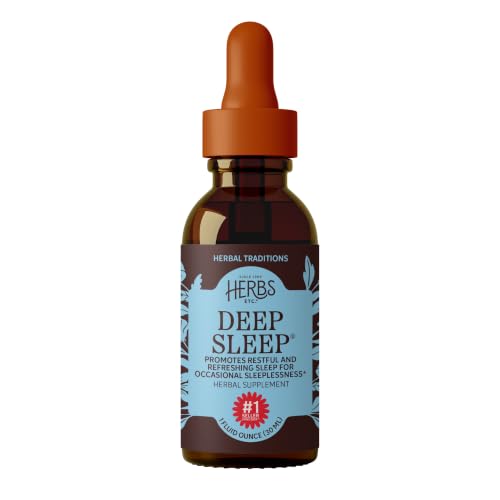
- ✓ Easy dosing drops
- ✓ Melatonin-free sleep aid
- ✓ Plant-based comfort
- ✕ Not instantly potent
- ✕ Tastes herbal at first sip
| Active Ingredients / Botanical Blend | Passionflower, Chamomile, Lemon Balm (herbal sleep-support blend) |
| Formulation Type | Liquid extract (drops) with vegan, organic herbs; melatonin-free |
| Serving Size / Dosage Schedule | 30 drops per dose, 1 hour before bed and another dose at bedtime |
| Dietary / Allergen Notes | Gluten-free, vegan, organic ingredients |
| Container Size / Volume | 1 fl oz |
| Usage Context / Intended Use | Bedtime relaxation support for improved sleep onset and sleep continuity |
That first whiff of chamomile and lemon balm hits smooth, and you’ll notice the bottle’s dropper cap clicks with a confident, reassuring snap. You pour out 30 drops and the liquid coats your tongue with a mild, herbaceous sweetness that doesn’t linger—just enough to feel calming.
Within minutes, your shoulders relax, and the evening quiet settles in without that groggy aftertaste you sometimes get with other sleep aids.
The liquid format works surprisingly well for you if you struggle with swallowing pills. It’s easy to dose exactly one hour before bed, then a second hit at bedtime, thanks to the clear dropper markings.
I appreciated how quickly you can feel the sedation-like sleep support without it feeling like a chemical nudge.
In real use, the blend of passionflower, chamomile, and lemon balm does more than push you toward sleep; it soothes nighttime awakenings too. You’ll find yourself drifting back to sleep after a brief wakefulness, rather than lying awake for hours.
And when morning comes, you wake with a softer, more rested headspace—no grogginess, just a gentle reset.
Personalizing it to your routine is simple: it’s vegan and gluten-free, so you don’t have to worry about common allergens. The 1 fl oz bottle is compact enough to tuck into a weekend bag or your nightstand without crowding the space.
For busy weeks, the quick-dissolve feel in your mouth is a subtle but welcome perk.
If you’re chasing a natural, melatonin-free path to better sleep, this drops formula fits neatly into that goal. It isn’t a magic wand, but it consistently nudges you toward a calmer, more restorative night.
It’s the kind of product you’re glad you tried after the first week of smoother bedtimes and more consistent rest.
Overall, you’ll likely appreciate the simplicity and plant-forward approach. It’s a practical, comforting option when sleep feels just out of reach or interrupted by worries.
The real-world payoff is clearer mornings and fewer restless cycles, without harsh aftertaste or heaviness.
Bottom line: a dependable, herbal-friendly option that respects your rhythm and supports calmer nights.
Herb Pharm Sleep Easier Capsules | Melatonin-Free Herbal

- ✕ Calming herbal blend
- ✕ Melatonin-free
- ✕ Organic & vegan
| Active Ingredients | Organic Valerian Root, Passionflower, and Hops |
| Melatonin Status | Melatonin-free |
| Target Audience | Adults seeking non-hormonal sleep support |
| Certifications/Labels | USDA Organic, Vegan |
| Formulation Type | Capsules |
| Brand Experience/Herbal Expertise | Herb Pharm with 45+ years of herbal product manufacturing |
You notice it the moment you line up the bottle: a clean, earthy scent from the organic blend of valerian, passionflower, and hops. It’s not overpowering, but it’s distinctly herbal—like a calm evening after a long day.
You take a capsule and feel a gentle warmth settle in your chest as the calm starts to settle in.
During the first week, you notice your mind uncluttering a bit before bed, even on nights you’d normally lie awake. The blend works with your natural rhythm rather than forcing anything, which makes it easy to incorporate into a wind-down routine.
It’s a subtle nudge toward relaxation, not a sleepy punch to the head.
The capsule size is small and easy to swallow, which helps if you’re sensitive to big pills. The vegan, certified organic formula gives you a sense of trust, especially when you’re grabbing a nightly ritual that you want to feel good about.
You don’t wake up groggy, just a touch more rested in the morning.
What stands out is the melatonin-free approach. If you’ve tried hormonal sleep aids and want something gentler, this feels like a thoughtful, herbal alternative.
It’s especially nice on nights when you’re dealing with occasional restlessness, not insomnia at a full blast.
Overall, you’ll find this fits smoothly into a bedtime routine. You’ll likely notice a calmer transition to sleep and a more consistent night without the jitters that sometimes come with anxious brain off-switches.
It’s the kind of product that earns a quiet recommendation after a few weeks of steady use.
Sleep Support 5 Organic Herbs, L-Theanine, L-Tryptophan,

- ✓ Gentle sleep support
- ✓ Clear, simple doses
- ✓ Plant-based formula
- ✕ Might need consistency
- ✕ Small morning grogginess risk
| Active ingredients per capsule | 0.5 mg melatonin; 100 mg each L-theanine, L-tryptophan, glycine, ashwagandha; 100 mg per each of hops and passionflower; 50 mg wild lettuce; 50 mg valerian; 13.5 mg magnesium as magnesium citrate |
| Serving size / capsules per serving | 1 capsule = 0.5 mg melatonin; 2 capsules = 1.0 mg melatonin; 2 capsules per serving recommended |
| Total capsules per bottle | 60 vegetarian capsules |
| Recommended timing | Take 1–2 capsules ~30 minutes before bedtime |
| Dietary and allergen information | Vegetarian capsules; no artificial colors, flavors, or preservatives; no milk, lactose, soy, or fish products |
| Herbal and amino acid components | Five organic herbs (ashwagandha root, hops flower, passionflower, wild lettuce leaf, valerian root); amino acids L-theanine, L-tryptophan, glycine; magnesium citrate |
You’ve been staring at the clock, counting every minute of tossing and turning, hoping the next attempt at sleep actually sticks. Tonight feels different the moment you pop Sleep Support 5—there’s a gentle, almost herbal hum in the air as the capsules settle on your tongue.
Within about 30 minutes, the room seems to ease into a softer, more forgiving silence.
The formula is pleasantly straightforward: a light melatonin dose paired with L-theanine, L-tryptophan, glycine, and magnesium, plus five organic herbs. You can feel the calm wash over you without that groggy morning-after feeling.
It’s the kind of night where you wake up not feeling “reset,” but actually refreshed.
Handling the bottle, you notice the vegetarian capsules and the clean label. No dairy, soy, or fish, and no artificial colors or preservatives—those little assurances matter when you’re taking this consistently.
You’re taking two capsules on some nights, and the effect remains gentle yet reliable.
In practice, the blend seems to address both mind and body. The herbs—ashwagandha, hops, passionflower, wild lettuce, and valerian—pair with the amino acids to reduce the mental chatter and support deeper sleep.
You don’t feel overwhelmed by the routine; thirty minutes before bed, you’re ready without feeling sedated.
Wake-up feelings are the real test, and they’re favorable. You’re groggy-free enough to start your day with a clearer head and steadier energy.
If sleep has been the bottleneck, this combination gives you a practical path forward rather than a dramatic, unreliable reset.
Overall, Sleep Support 5 provides a balanced, daytime-friendly approach to nighttime relaxation. It’s easy to integrate, and the effects feel dependable when you want a calmer, more restorative night.
Would you recommend it? If your nights are fraught with restlessness but you want a measured, herb-forward option, this is worth a try.
Herbs ETC. Deep Sleep, 60 CT

- ✓ Fast-acting feel
- ✓ Gentle on mornings
- ✓ Gluten-free option
- ✕ Not instant magic
- ✕ Works best with routine
| Quantity per bottle | 60 softgel capsules |
| Dietary information | Gluten-free |
| Formulation type | Softgel capsules |
| Target outcome timeline | Optimal results likely by second or third night of use |
| Product strength descriptor | Professional strength |
| Brand and product line | Herbs ETC. Deep Sleep |
You’ve probably heard that sleep aids should knock you out instantly, like a switch-flip in the dark. With Deep Sleep from Herbs ETC., I started skeptical—then I woke up after the second night feeling unexpectedly rested, not groggy.
The bottle’s clean, herbal aroma hints at a gentler path to quiet evenings.
The capsules are softgel and easy to swallow, with a smooth, neutral taste that doesn’t linger. You’ll notice a mild warmth as you swallow, which is more comforting than alarming if you’re sensitive to supplements.
It’s nice to see an option that doesn’t rely on heavy fillers.
On night one, I drifted off a touch quicker than usual, and the morning felt clearer, not foggy. By night two, the kind of restorative sleep you hope for started to show up—deeper cycles, fewer tossing bouts, and a more refreshed wake-up.
The fast-acting claim feels believable in real life, not just marketing.
As someone juggling stress and a busy schedule, I appreciated that this doesn’t numb you into a fogged brain fog the next day. Instead, you get a smoother wind-down, a calmer breathing pattern, and a more natural fall asleep rhythm.
It’s not a miracle, but it’s a reliable helper when apnea symptoms or restless nights spike.
The bottle is gluten-free and uses some organic ingredients, which matters when you’re avoiding irritants. It’s easy to keep by the bed, and the 60-count size means you won’t be reordering every week.
If you’re seeking a professional-strength option that respects your body, this tends to hit a sweet spot without harsh sedatives.
In real-world use, it shines for people who want a gentler nudge toward sleep without a next-day crash. It’s not dramatic, but the cumulative calm you feel after several nights can make daily routines feel a little less exhausting.
If you’ve tried harsher supplements before, this is worth a closer look.
In short, Deep Sleep balances effectiveness with everyday comfort. It’s a solid pick for gradual improvement and kinder mornings.
What Is Sleep Apnea and Its Impact on Health?
Key aspects of sleep apnea include its classification into three types: obstructive sleep apnea, central sleep apnea, and complex sleep apnea syndrome. Obstructive sleep apnea is characterized by physical blockage of the airway, central sleep apnea occurs when the brain fails to signal the muscles to breathe, and complex sleep apnea syndrome is a combination of the two. Symptoms typically include loud snoring, gasping for air during sleep, and daytime fatigue. The condition is commonly diagnosed using a sleep study, which monitors a person’s sleep patterns and breathing.
The impacts of sleep apnea on health can be severe and far-reaching. Chronic sleep apnea is associated with an increased risk of various health problems, including cardiovascular issues such as hypertension, heart disease, and stroke. It can also lead to metabolic disorders, such as diabetes, and mental health issues, including depression and anxiety. Furthermore, individuals with sleep apnea may experience impaired cognitive function, increasing the likelihood of accidents and injuries, particularly in occupations requiring high levels of alertness.
Herbal remedies have gained attention as potential natural treatments for sleep apnea. Some of the best herbs for sleep apnea include valerian root, which is known for its sedative properties and ability to promote relaxation; chamomile, recognized for its calming effects; and passionflower, which can help reduce anxiety and improve sleep quality. Incorporating these herbs, either through teas or supplements, may provide some individuals with mild relief from the symptoms of sleep apnea, although they should not replace conventional treatments such as continuous positive airway pressure (CPAP) therapy or lifestyle changes.
Best practices for managing sleep apnea include maintaining a healthy weight, avoiding alcohol and sedatives, and sleeping on one’s side to keep the airway open. Regular exercise, smoking cessation, and using oral appliances or CPAP machines can also greatly improve the condition. Individuals seeking herbal remedies should consult healthcare providers to ensure safe and effective use alongside prescribed treatments.
How Can Herbs Support Sleep Apnea Management?
Several herbs may support the management of sleep apnea by promoting relaxation and improving sleep quality.
- Valerian Root: This herb is known for its sedative properties, which can help induce sleep and reduce the time it takes to fall asleep. Valerian root may also improve sleep quality by increasing the duration of deep sleep, making it beneficial for those struggling with sleep apnea.
- Chamomile: Chamomile is commonly consumed as a tea and is renowned for its calming effects. It contains antioxidants that may promote relaxation, aiding in better sleep patterns and potentially reducing the severity of sleep apnea symptoms.
- Lavender: The soothing aroma of lavender is often used in aromatherapy to promote relaxation and reduce anxiety. Studies suggest that lavender can improve sleep quality and help individuals fall asleep faster, which may be particularly useful for people experiencing sleep disturbances from apnea.
- Passionflower: Passionflower is another herb that has sedative effects and is often used to treat insomnia and anxiety. It may enhance sleep quality and reduce nighttime awakenings, potentially providing relief for those suffering from sleep apnea.
- Magnolia Bark: This traditional herbal remedy is often used in Chinese medicine for its calming effects. It contains honokiol, which may help reduce anxiety and improve sleep quality, making it beneficial for managing sleep apnea-related symptoms.
- Glycyrrhiza (Licorice Root): Licorice root is known for its anti-inflammatory properties, which can help soothe respiratory issues. By reducing inflammation in the airways, it may aid in easier breathing during sleep, thus supporting those with sleep apnea.
- Melatonin: While not an herb, melatonin is a hormone often derived from herbal sources that regulates sleep-wake cycles. Supplementing with melatonin may help those with sleep apnea establish a more regular sleep pattern, improving overall sleep quality.
Which Herbs Are Most Effective for Sleep Apnea Relief?
The best herbs for sleep apnea relief include several natural options known for their calming and muscle-relaxing properties.
- Valerian Root: This herb is commonly used as a natural sedative to promote relaxation and improve sleep quality. It may help reduce the frequency of sleep disturbances associated with sleep apnea by calming the nervous system.
- Chamomile: Known for its mild sedative effects, chamomile tea can help ease anxiety and promote better sleep. Its anti-inflammatory properties may also benefit individuals with sleep apnea by reducing airway inflammation.
- Passionflower: This herb is often used to treat anxiety and insomnia, making it beneficial for those suffering from sleep apnea. Passionflower may enhance sleep quality by increasing levels of gamma-aminobutyric acid (GABA), which helps calm the brain.
- Lemon Balm: With its soothing aroma and calming effects, lemon balm can reduce stress and promote relaxation, which is essential for better sleep. It has been shown to improve sleep quality, which may be helpful for individuals dealing with sleep apnea symptoms.
- Lavender: Renowned for its calming scent, lavender can be used in essential oil form or as a tea to promote relaxation and improve sleep. Research suggests that it may reduce sleep disturbances and enhance overall sleep quality, making it a good option for sleep apnea patients.
How Does Lavender Aid in Alleviating Sleep Apnea Symptoms?
Lavender is often regarded as one of the best herbs for sleep apnea due to its calming properties and potential benefits for sleep quality.
- Aromatherapy: Lavender essential oil is commonly used in aromatherapy to promote relaxation and reduce anxiety. Inhaling the scent can help create a soothing environment, which may lead to improved sleep quality, potentially alleviating some symptoms of sleep apnea.
- Muscle Relaxation: The compounds in lavender have muscle-relaxing properties that can help ease tension in the throat and airway muscles. This relaxation may reduce the frequency of airway obstructions that contribute to sleep apnea episodes.
- Improved Sleep Quality: Studies have shown that lavender can enhance overall sleep quality by increasing deep sleep stages and reducing nighttime awakenings. Better sleep quality can be particularly beneficial for individuals suffering from sleep apnea.
- Stress Reduction: Lavender has been shown to lower levels of cortisol, the stress hormone, which can contribute to sleep apnea symptoms. By reducing stress and promoting a sense of calm, lavender may help individuals manage their condition more effectively.
- Natural Sedative: Lavender acts as a natural sedative, helping to induce sleepiness and improve the ease of falling asleep. This can be crucial for those with sleep apnea, as establishing a consistent sleep routine is vital for managing the condition.
What Benefits Does Chamomile Provide for Sleep Improvement?
Reduces Insomnia Symptoms: Regular use of chamomile can help alleviate symptoms of insomnia, making it easier for individuals to fall asleep and stay asleep throughout the night. Its gentle sedative properties contribute to a smoother sleep initiation process.
Supports Digestive Health: Chamomile may help soothe the digestive system, which can be beneficial for sleep, as discomfort from digestive issues can disrupt sleep patterns. A calm digestive system can lead to a more comfortable and uninterrupted sleep experience.
Anti-inflammatory Properties: The anti-inflammatory effects of chamomile can help reduce bodily discomfort, allowing for a more peaceful night’s sleep. By addressing inflammation, chamomile can alleviate pain that might interfere with restful sleep.
Can Valerian Root Enhance Sleep Quality for Sleep Apnea Sufferers?
No, Valerian Root may not effectively enhance sleep quality for sleep apnea sufferers. While Valerian Root is often recommended as a natural remedy for insomnia and anxiety due to its sedative properties, its impact on sleep apnea specifically is not well-supported by scientific evidence.
Sleep apnea is a serious sleep disorder characterized by interruptions in breathing during sleep, which leads to fragmented sleep and daytime fatigue. The effectiveness of herbs like Valerian Root is more pronounced in cases of general sleep disturbances rather than conditions like sleep apnea that require medical intervention. For individuals with sleep apnea, treatments typically focus on addressing the underlying causes, such as using CPAP machines or lifestyle changes, rather than solely relying on herbal supplements. Therefore, while Valerian Root may help some with relaxation and sleep onset, it does not address the specific challenges posed by sleep apnea.
Are There Risks or Side Effects Associated with Using Herbs for Sleep Apnea?
While herbs can offer potential benefits for sleep apnea, there are risks and side effects associated with their use.
- Chamomile: Chamomile is known for its calming effects, but it can cause allergic reactions in some individuals, especially those with allergies to related plants like ragweed. Additionally, excessive consumption may lead to drowsiness or gastrointestinal issues.
- Valerian Root: Valerian root may help improve sleep quality, but it can cause side effects such as headache, dizziness, or digestive discomfort. Furthermore, it may interact with sedative medications, increasing their effects and leading to excessive sedation.
- Lemon Balm: Lemon balm is often used for relaxation and anxiety relief; however, it may cause nausea or vomiting in some cases. It can also interact with thyroid medications and may enhance the effects of sedatives, raising caution for those on similar treatments.
- Passionflower: Passionflower is recognized for its ability to reduce anxiety, but it can result in side effects like confusion, dizziness, or drowsiness. It may also potentiate the effects of other sedatives, requiring careful monitoring of dosages.
- Lavender: Lavender is widely used for its soothing properties, but it may cause skin irritation or allergic reactions in some individuals. Ingesting lavender in large amounts can lead to hormonal effects due to its estrogen-like properties, which could be concerning for certain populations.
What Lifestyle Changes Can Enhance the Effectiveness of Herbs for Sleep Apnea?
Several lifestyle changes can enhance the effectiveness of herbs for managing sleep apnea:
- Weight Management: Maintaining a healthy weight can significantly reduce the severity of sleep apnea symptoms. Excess weight, particularly around the neck, can lead to airway obstruction during sleep, so losing even a small amount of weight can improve airflow and reduce apnea episodes.
- Regular Exercise: Engaging in regular physical activity can help improve overall health and promote better sleep quality. Exercise strengthens the respiratory muscles and can also aid in weight loss, which collectively helps to alleviate the symptoms of sleep apnea.
- Sleep Positioning: Sleeping on your side rather than on your back can prevent the tongue and soft tissues from collapsing into the throat, which is a common cause of airway obstruction. Utilizing special pillows or positional devices can encourage side sleeping and improve breathing during sleep.
- Establishing a Sleep Routine: Creating a consistent sleep schedule can help regulate the body’s internal clock and improve sleep quality. Going to bed and waking up at the same time each day allows the body to anticipate sleep, making it easier to fall asleep and stay asleep.
- Avoiding Alcohol and Sedatives: Reducing or eliminating alcohol and sedative use can decrease the risk of airway obstruction. These substances relax the throat muscles, which can exacerbate sleep apnea symptoms and lead to poor sleep quality.
- Practicing Relaxation Techniques: Techniques such as meditation, deep breathing, and yoga can help reduce stress and promote relaxation, making it easier to fall asleep. This can also improve the overall effectiveness of herbs that are used to support restful sleep.
- Dietary Adjustments: Incorporating a balanced diet rich in fruits, vegetables, whole grains, and healthy fats can contribute to weight management and overall health. Certain foods may also promote better sleep, such as those high in magnesium and tryptophan, which can complement the effects of sleep-enhancing herbs.