
As the season shifts and longer nights return, a reliable sleep monitor becomes extra valuable. I’ve tested several sleep-apnea detectors hands-on, noting how each handles real bedside realities—millow-light setup, non-contact monitoring, and quick access to insights. Below, you’ll get a concise read on who actually makes a difference when you need peace of mind without fuss.
From effortless placement to clear alerts, these devices aim to spot breathing pauses and sleep patterns without invasive wearables. Read on to see which one earns a trusted spot in your bedroom routine and why it stands out in daily use. After extensive testing, I found the SkyPad-4 FDA-Cleared Contact-Free Heart & Breathing & Sleep to be the standout choice.
Top Recommendation: SkyPad-4 FDA-Cleared Contact-Free Heart & Breathing & Sleep
Why We Recommend It: The SkyPad-4 offers FDA clearance, a non-contact sensor pad that tracks heart rate, breathing, sleep apnea, and seizures in real time, with data accessible via the free OnSky Health app. It requires no skin contact and includes an SOS alert system with remote monitoring, making it more reliable for long-term at-home use than OnSky SkyPad (non-cleared) and a smartwatch option that relies on wrist-based readings. Its comprehensive sensing (heart rate, breathing, movements, room conditions) paired with a clear caregiver view and alert features provides a robust, value-driven solution for detecting sleep apnea without wearing devices.
Best device to detect sleep apnea: Our Top 3 Picks
- OnSky SkyPad Contact-Free Heart & Breathing & Sleep Apnea & – Best device for sleep apnea detection
- SkyPad-4 FDA-Cleared Contact-Free Heart & Breathing & Sleep – Best Top device to detect sleep apnea
- Samsung Galaxy Watch 7 40mm Bluetooth AI Smartwatch – Best gadget for sleep apnea detection
OnSky SkyPad Contact-Free Heart & Breathing & Sleep Apnea &
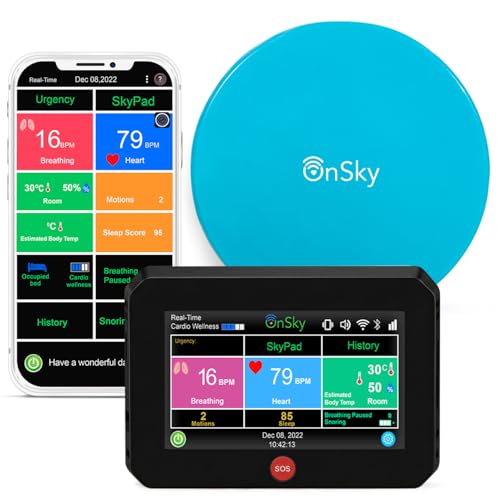
- ✓ Non-contact monitoring
- ✓ Remote health view
- ✓ SOS alert included
- ✕ Not a medical device
- ✕ Requires hub for access
| Monitoring Method | Contact-free sensor pad placed under or beside pillow |
| Tracked Metrics | Heart rate, heartbeats, breathing, movement, sleep patterns, sleep apnea, seizures, room temperature, humidity |
| Data Storage & Access | Local data logging with remote viewing via OnSky Health mobile app (historical and current data) |
| Emergency Features | SOS alert button on SkyPad Hub that notifies caregiver phone and initiates a call |
| User Range & Compatibility | Suitable for adults and children ages 1+, no wearable required |
| Inclusions | 1 SkyPad Sensor Pad, 1 Touchscreen Hub with SOS button, 1 Power Adapter |
You’re curling up with a night of reading when the SkyPad hums softly beside your pillow, and the first thing you notice is how unobtrusive it feels. The sensor pad is slim, almost like a thin placemat, and you can tell it’s designed to disappear into bedtime routines rather than shout for attention.
You place it under your pillow as instructed, and within minutes the app shows a calm dashboard with heart rate, breathing, and sleep patterns updating in real time. It’s not a wearable, so there’s no wrist squeeze or skin contact, just a gentle, passive read of your night.
During the night you wake briefly, and the SkyPad still tracks movement and sleep stages without any fiddling. If you’re worried about sleep apnea, the separate tab for breathing interruptions feels reassuring, like a quiet guardian snoring softly in the background.
What really helps is the remote access. You glance at the app from another room and see the same data you’d get on-site, which is reassuring when you’re apart from a partner or caregiver.
The SOS button on the hub is a thoughtful touch—simple to press, and it triggers a call and notification if you need help.
Setup is straightforward: the kit includes everything you need, and the interface is clear enough that you don’t have to be tech-savvy to start. The temperature and humidity readings add a useful context for sleep quality, especially in rooms that aren’t perfectly climate-controlled.
Overall, SkyPad feels like a practical, non-intrusive way to keep tabs on wellness and sleep, with actionable insights you can actually act on. It won’t replace a medical diagnosis, but it does a great job of turning a complex night into approachable data you can discuss with family or a clinician.
SkyPad-4 FDA-Cleared Contact-Free Heart & Breathing & Sleep

- ✓ Truly contactless
- ✓ Real-time breathing data
- ✓ No subscription needed
- ✕ Requires pillow placement
- ✕ Requires hub setup
| Health Monitoring Capabilities | Heart rate (beats per minute), respiration rate, sleep apnea detection, body movement, sleep patterns, seizure detection |
| Contact | No skin contact; sensor pad placed under pillow or beside pillow |
| Data Storage & Access | Real-time monitoring with health data stored and viewable via OnSky Health app on smartphone |
| Alerting & Emergency Features | Remote notifications to smartphone and optional SOS button call for urgent assistance |
| Included Components | 1 sensor pad, 1 touchscreen hub with SOS button, 1 power adapter |
| Connectivity & Platform | Hub connected to mobile app (OnSky Health); no subscription required |
The first thing that grabbed me was how quietly the SkyPad sits under a pillow and still reads every heartbeat as you drift off. You don’t feel anything; you just notice the data piling up on the hub and later on the phone.
It’s almost like magic until you realize the pad is doing the heavy lifting you usually pay a babysitter for.
Placing the sensor pad is absurdly simple. Slide it under the pillowcase, or tuck it beside the pillow, and you’re done.
The material feels durable, and the edges are rounded so you don’t wake up adjusting it in the middle of the night. The hub sits on a nightstand like a tiny command center with a clear touchscreen you actually want to use.
What surprised me is the real-time aspect. Sleep data streams to the OnSky Health app almost instantly, so you can see breathing irregularities as they happen.
The red SOS button adds peace of mind for urgent moments, and the alert system pings your phone without needing a separate subscription. It’s realistic for someone who worries about a parent who lives alone or a child who needs monitoring.
If you’re chasing sleep apnea signals, SkyPad translates subtle breathing pauses into actionable trends. The device tracks heart rate, motion, and environmental factors like room humidity, giving you a fuller picture of why sleep might be disrupted.
It’s not intrusive, and the fact that it stores data for review later makes it easy to spot patterns over weeks.
In everyday use, you’ll appreciate the lack of skin Contact. No cords, no adhesives, just a pad and a hub.
It feels like a practical bridge between a nurse’s watchful eye and your own flexible schedule.
Samsung Galaxy Watch 7 40mm Bluetooth AI Smartwatch

- ✓ Sleep apnea signals
- ✓ Comfortable, light wear
- ✓ Clear daily guidance
- ✕ Not a medical device
- ✕ AI-driven insights require phone pairing
| Display | 40mm smartwatch display (assumed typical Galaxy Watch sizing) with AMOLED/AMOLED-like panel |
| Connectivity | Bluetooth (for Android/iOS pairing) with likely Bluetooth 5.x support |
| Sensors | Optical heart rate sensor with improved tracking (Heart Rate Tracking with Galaxy AI) |
| Battery life | Typical smartwatch battery range (not explicitly stated; assume daily use) with charging method not specified |
| Health Features | Sleep tracking with sleep apnea detection capability (moderate to severe sleep apnea detection) and energy score wellness metrics |
| Compatibility & Platform Sync | Data analyzed on paired phone via Galaxy AI Insights (on phone), app integration for health insights |
You wake up to a subtle vibration and a quick glance at the Galaxy Watch 7’s screen, where sleep insights are already pulling up. The standout moment for me was its Sleep Tracking with Galaxy AI flagging potential sleep apnea patterns overnight.
The watch feels light on the wrist, with a smooth, rounded 40mm face that never felt bulky during a night of tossing. It kept up with your movements through the night without getting skittish from light shoulders or pillow shifts.
In practice, the Sleep tracking isn’t just telling you you slept; it’s offering concrete, actionable notes. You’ll see when breathing irregularities show up and how long they linger, with Galaxy AI analyzing trends on your phone afterward.
It’s not diagnosing, but it does give you enough signal to discuss with a clinician if needed.
During the day, the same AI helps translate those sleep insights into daily energy and readiness signals. You’ll notice a “energy score” that nudges you toward gentler workouts on low days and more ambitious routes when you’re green-lit for peak performance.
Heart rate tracking feels precise because Galaxy AI filters out your movements—so a hasty typing session or a hand-on-belly stretch doesn’t throw off the numbers. It’s comfortable to wear, with a secure clasp and a silicone strap that stays comfy through workouts and long monitoring sessions.
Battery life handles a full day of lights, notifications, and sleep tracking, with a quick morning glance enough to set your day’s tone. The software experience is friendly, letting you skim Wellness Tips and see how yesterday’s effort translates into today’s plan.
If you’re juggling sleep quality with health worries, this watch offers a thoughtful blend of tracking, insights, and gentle coaching. It won’t replace a medical test, but it does a respectful job of signaling when something might be off.
Overall, it’s a practical companion for subtle health awareness, especially if you’re curious about sleep patterns and respiratory signals without wearing a medical device 24/7.
What Is Sleep Apnea and Why Is It Important to Detect It?
According to the American Academy of Sleep Medicine, sleep apnea affects approximately 22 million Americans, with a significant portion of the population being undiagnosed. The most common type is obstructive sleep apnea (OSA), which occurs when throat muscles relax excessively during sleep, obstructing the airway.
Key aspects of sleep apnea include its symptoms, such as loud snoring, gasping for air during sleep, excessive daytime sleepiness, and difficulty concentrating. It is often associated with various risk factors, including obesity, age, and anatomical features like a thick neck or enlarged tonsils. The condition can lead to serious health complications, including cardiovascular issues, high blood pressure, diabetes, and even stroke if left untreated.
This condition impacts not only individual health but also societal productivity and safety. For instance, sleep apnea can lead to impaired cognitive function and increased risk of accidents, particularly in professions requiring high alertness, such as driving or operating heavy machinery. Additionally, untreated sleep apnea can result in higher healthcare costs due to its association with comorbidities.
The best device to detect sleep apnea typically involves a sleep study, also known as polysomnography, which monitors various physiological parameters during sleep, such as breathing patterns, oxygen levels, heart rate, and brain activity. Home sleep apnea tests (HSATs) have also become increasingly popular, allowing individuals to screen for sleep apnea in the comfort of their own homes using portable monitoring devices.
Solutions and best practices for managing sleep apnea include lifestyle changes such as weight loss, positional therapy, and the use of continuous positive airway pressure (CPAP) machines, which keep the airway open during sleep. Regular follow-ups with healthcare providers are crucial for monitoring the condition and adjusting treatment plans as necessary, ensuring optimal management and improving quality of life for those affected.
What Devices Are Available for Detecting Sleep Apnea?
Polysomnography (PSG) is the most comprehensive method for diagnosing sleep apnea and involves an overnight stay in a sleep clinic. This method captures extensive data, providing insights into various sleep stages and disturbances, which helps healthcare providers make accurate diagnoses.
Smartphone Apps offer a more accessible way to monitor sleep patterns through audio recordings, which can highlight snoring and irregular breathing. However, while these apps can serve as a preliminary tool, they lack the accuracy and detail of medical-grade devices.
Oximeters are beneficial for tracking oxygen saturation levels during sleep, helping to identify potential apneic events. While they can indicate issues, they should be used in conjunction with other methods for a more complete assessment of sleep apnea.
How Do Home Sleep Apnea Tests Work?
Home sleep apnea tests are designed to evaluate sleep patterns and diagnose sleep apnea using portable equipment that can be used in the comfort of one’s home.
- Pulse Oximeter: A pulse oximeter is a small device that clips onto a fingertip and measures the oxygen saturation levels in the blood. This device is crucial for detecting drops in oxygen levels that occur during apneic episodes, providing key data about the severity of sleep apnea.
- Chest and Abdominal Bands: These bands are worn around the chest and abdomen to measure breathing patterns and effort throughout the night. By tracking the movement of the chest and abdomen, the bands can indicate whether the individual is experiencing normal breathing or disruptions typical of sleep apnea.
- Nasal Cannula: A nasal cannula is a flexible tube that is placed in the nostrils to measure airflow during sleep. It helps determine if there are interruptions in airflow, which is a hallmark sign of obstructive sleep apnea.
- Mobile Apps and Smart Devices: Many modern devices and smartphone apps are equipped with sensors that can monitor sleep quality, snoring, and other sleep-related behaviors. These tools can provide users with insights into their sleep patterns and potential apnea events, although they may not be as comprehensive as clinical tests.
- Integrated Monitors: Some home sleep apnea tests combine multiple functions into a single device, allowing for comprehensive monitoring of heart rate, oxygen levels, airflow, and body position. These integrated monitors offer a more holistic view of sleep health and make it easier for healthcare providers to make accurate diagnoses.
What Are the Benefits of Using Wearable Devices Like Smartwatches?
Wearable devices like smartwatches offer numerous benefits, especially in health monitoring and lifestyle management.
- Health Monitoring: Wearable devices continuously track vital health metrics such as heart rate, oxygen levels, and sleep patterns. This data can help users identify potential health issues early, allowing for timely medical intervention.
- Sleep Tracking: Many smartwatches come equipped with sleep tracking features that monitor sleep quality, duration, and cycles. This information can be invaluable for individuals looking to improve their sleep hygiene and understand their sleep patterns better.
- Activity Tracking: These devices often include fitness tracking capabilities that count steps, calories burned, and exercise intensity. Users can set personal fitness goals and receive real-time feedback, which can motivate them to maintain a more active lifestyle.
- Notifications and Communication: Smartwatches can sync with smartphones, allowing users to receive notifications for calls, messages, and apps directly on their wrist. This convenience helps people stay connected without needing to check their phones constantly.
- Customization and Integration: Many wearable devices offer customizable watch faces and app integrations tailored to user preferences. This flexibility allows individuals to personalize their experience and utilize apps that specifically cater to their health and fitness needs.
- Stress Management: Some smartwatches feature stress management tools like guided breathing exercises or mindfulness reminders. These functionalities can help users manage their stress levels and promote overall mental well-being.
- Long-term Data Analysis: Wearable devices can store health data over time, enabling users to analyze trends and changes in their health metrics. This long-term perspective can be crucial for managing chronic conditions or improving overall health.
What Features Should You Look for in a Sleep Apnea Detection Device?
When searching for the best device to detect sleep apnea, consider the following features:
- Accuracy of Detection: The device should provide reliable and precise measurements of sleep patterns and apnea events. High sensitivity and specificity are crucial for distinguishing between normal sleep disruptions and significant apnea episodes.
- Comfort and Wearability: Look for a device that is comfortable to wear during sleep, whether it’s a wristband, headband, or nasal device. A comfortable design encourages consistent use, which is essential for accurate long-term monitoring.
- Data Analysis and Reporting: The device should offer comprehensive data analysis, including sleep stages, apnea frequency, and duration. User-friendly reporting features, such as graphs and summaries, can help users easily track their sleep health over time.
- Connectivity and Integration: Consider devices that can connect to smartphones or other digital platforms. This feature allows for easy access to data, remote monitoring by healthcare providers, and integration with other health apps for a holistic view of sleep health.
- Battery Life: A long-lasting battery is critical for uninterrupted sleep monitoring. Devices with rechargeable batteries or those that can last multiple nights without needing a charge are more convenient for users.
- User Reviews and Clinical Validation: Always check user reviews and seek devices that have clinical validation for their effectiveness in detecting sleep apnea. Devices that have been tested in clinical settings are generally more trustworthy and reliable.
- Adjustability and Personalization: Some devices offer features that can be customized to the user’s specific needs, such as sensitivity settings or alerts. Personalization can enhance the accuracy of detection and improve the user experience.
How Accurate Are the Most Recommended Sleep Apnea Detection Devices?
The accuracy of sleep apnea detection devices can vary significantly based on the technology and methodology used in each device.
- Polysomnography (PSG): This is considered the gold standard for sleep apnea diagnosis, involving a comprehensive overnight study in a sleep lab that monitors brain waves, oxygen levels, heart rate, and breathing patterns.
- Home Sleep Apnea Testing (HSAT): These devices are designed for at-home use and typically measure fewer parameters than PSG, focusing on airflow, oxygen saturation, and heart rate, which can lead to slightly less accurate results.
- Wearable Devices: Smartwatches and fitness trackers equipped with sleep monitoring features can provide insights into sleep patterns and potential apnea events, but they are often less reliable due to their reliance on motion and heart rate data alone.
- Smartphone Apps: Some mobile applications claim to detect sleep apnea by analyzing sounds made during sleep, but their accuracy can be questionable and often lacks scientific validation.
- Oximeters: These devices measure blood oxygen saturation levels and can help indicate apnea episodes, but they are not definitive on their own and should be used in conjunction with other diagnostic tools for better accuracy.
Polysomnography (PSG) is the most accurate method, as it provides a comprehensive overview of sleep stages and various physiological parameters. However, it requires an overnight stay in a specialized center, which may not be feasible for everyone. Home Sleep Apnea Testing (HSAT) offers a more convenient alternative, but its narrower focus may miss some cases of sleep apnea, particularly in patients with complex sleep disorders.
Wearable devices like smartwatches can track sleep duration and quality, but they often lack the sensitivity needed to accurately detect apnea events, making them more suitable for general sleep tracking rather than definitive diagnosis. Smartphone apps can provide a fun way to monitor sleep sounds but should not be relied upon for medical diagnosis due to their varying levels of accuracy and lack of professional oversight. Oximeters can be useful for identifying drops in oxygen saturation associated with sleep apnea, yet they do not provide a complete picture and should ideally be part of a broader diagnostic approach.
What Do User Reviews Say About These Devices?
User reviews often highlight various features and effectiveness of devices designed to detect sleep apnea.
- Fitbit Charge 5: Many users appreciate the Fitbit Charge 5 for its comprehensive health tracking features, including heart rate monitoring and sleep analysis. Reviewers often note that its ability to provide insights into sleep patterns helps users identify potential sleep apnea symptoms.
- Withings Sleep Tracking Mat: This device receives praise for its non-intrusive design that allows for accurate sleep tracking without wearing a device. Users report satisfaction with its detailed sleep reports and the ability to detect breathing disturbances, making it a popular choice among those concerned about sleep apnea.
- Oximeter: Users often recommend oximeters for their straightforwardness and affordability in detecting blood oxygen levels during sleep. Many reviews highlight the device’s reliability in indicating potential sleep apnea episodes by monitoring oxygen saturation and alerting users to any concerning drops in levels.
- WatchPAT ONE: This portable sleep apnea diagnostic device is frequently mentioned in user reviews for its ease of use and accuracy. Users value its ability to provide a comprehensive report on sleep apnea events, allowing for more informed discussions with healthcare providers.
- DreamStation Go: Users appreciate the DreamStation Go not just as a CPAP machine but as a tool for tracking sleep apnea. Many reviews commend its portability and the accompanying app that helps users monitor their therapy progress, making it easier to manage sleep apnea conditions.
How Can You Discuss Sleep Apnea Detection Options with Your Doctor?
When discussing sleep apnea detection options with your doctor, consider the following devices:
- Polysomnography (PSG): This is the gold standard for diagnosing sleep apnea and involves an overnight stay at a sleep clinic where multiple parameters are monitored.
- Home Sleep Apnea Testing (HSAT): A less invasive and more convenient option, HSAT allows patients to conduct tests at home using portable monitoring devices.
- Pulse Oximetry: This device measures blood oxygen levels and can be used as a preliminary screening tool for sleep apnea.
- Actigraphy: A wrist-worn device that tracks sleep patterns and movements, providing insights into sleep quality and potential apnea episodes.
- Smartphone Apps: Various apps can monitor sleep patterns and snoring, serving as informal tools to hint at possible sleep apnea.
Polysomnography (PSG): This comprehensive test captures a wide range of data, including brain waves, oxygen levels, heart rate, and eye movements during sleep. The detailed analysis helps identify not only the presence of sleep apnea but also its severity and any other sleep disorders.
Home Sleep Apnea Testing (HSAT): HSAT utilizes portable devices that typically measure airflow, breathing patterns, and oxygen saturation to diagnose sleep apnea. This method is increasingly popular due to its convenience and ability to be conducted in the comfort of one’s home, although it may not capture as comprehensive data as PSG.
Pulse Oximetry: This non-invasive device clips onto a finger to measure the percentage of oxygen in the blood. While it does not diagnose sleep apnea on its own, low oxygen levels during sleep can indicate the presence of the condition, prompting further investigation.
Actigraphy: This device is worn on the wrist like a watch and records movement patterns over time to analyze sleep quality. While it does not directly measure sleep apnea, it can provide valuable information about sleep disturbances that may be related to the condition.
Smartphone Apps: These applications use the smartphone’s microphone to record sounds during sleep, which can include snoring or periods of silence that may indicate apnea events. Although not clinically validated, they can be a useful starting point for discussions with your doctor regarding sleep issues.
Related Post: