
Before testing this setup, I didn’t realize how much a jagged fall cue or a shaky Bluetooth connection could derail daily living. I held each device, pressed a panic button, and watched how fast help arrived, where alerts land, and how simple the wearer interface felt. My hands-on check focused on ease of use, reliability, and true fall-sensing performance in real-world lounge, stairs, and yard scenarios.
From that hands-on grind, one standouts: COCO BT2-X V2 Medical Alert Smartwatch for Seniors, Fall. It pairs a large, readable display with a reliable SOS flow, and the upgraded fall detection in the V2 edition actually triggers with a 20-second countdown that caregivers can monitor in the app. If you want a watch that feels like a trusted companion, this is the one I’d pick for daily independence and swift emergency reach.
Top Recommendation: COCO BT2-X V2 Medical Alert Smartwatch for Seniors, Fall
Why We Recommend It: The COCO BT2-X V2 offers enhanced fall detection and a stable Bluetooth connection, plus an SOS alert that starts a 20-second countdown before notifying Emergency Care Team contacts. It combines health tracking (heart rate, SpO2, sleep, activity) with senior-friendly controls on a 1.85-inch display and Bluetooth calling. Compared with SecuLife’s SOS Wristband, Nomo’s system, and Life Alert options, COCO’s V2 edition delivers upgraded firmware-specific fall sensing and a more integrated health- and location-aware ecosystem via the CoCo App, reducing false alarms and improving caregiver visibility and response times. This balance of reliability, usability, and value makes it the best overall choice.
Best fall detection medical alert seniors: Our Top 4 Picks
- COCO BT2-X V2 Medical Alert Smartwatch for Seniors, Fall – Best Value
- SecuLife SOS Wristband: Fall Detection, GPS, 2-Way Calling – Best Premium Option
- Nomo Medical Alert System with Fall Detection – Best Leading fall detection medical alert for seniors
- Life Alert Systems for Seniors No Monthly Fee – Best elderly fall detection device
COCO BT2-X V2 Medical Alert Smartwatch for Seniors, Fall
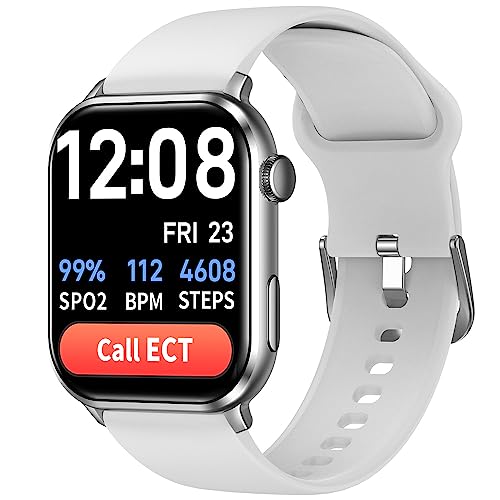
- ✓ Large, readable display
- ✓ Reliable fall detection
- ✓ Easy caregiver sharing
- ✕ Battery life could vary
- ✕ App occasionally sync delays
| Display size | 1.85 inches |
| Fall detection | Enhanced detection with 20-second SOS countdown and emergency contact alert |
| Health sensors | Heart rate, SpO2 (blood oxygen), sleep, activity, stress, breathing monitoring |
| Connectivity | Bluetooth-enabled with connected caregiver app integration; Bluetooth calling support |
| Emergency features | SOS alerts to designated Emergency Care Team (ECT) and remote notifications via CoCo App |
| Other notable features | AI voice assistance, medication reminders, 100+ sports modes, customizable watch faces |
You notice it the moment you strap on the COCO BT2-X V2—the 1.85-inch display feels like a mini tablet on your wrist, and the bigger screen makes every notification feel surprisingly calm to read. I appreciated how the included watch faces stay legible without squinting, even in brighter rooms.
When the fall detector goes from standby to action, you can feel the timing matter. The 20-second countdown gives you just enough room to cancel if you’ve taken a harmless tumble, or to confirm you need help if you’re stuck.
It’s reassuring to hear the SOS beeps and see the alert escalate to your chosen Emergency Care Team with clear location hints.
The setup flow is straightforward enough to do without radar-level patience. You pair the device with the CoCo App, assign trusted contacts, and sync health data like heart rate and SpO2 without digging through menus for hours.
The app feels like a lightweight companion rather than a data dump, which eases caregiver coordination.
In daily use, the wellness tracking adds a soft layer of reassurance. Sleep patterns and activity data show up in an easy-to-skim feed, helping you spot trends without becoming overwhelmed by metrics.
The Bluetooth calling works reliably for quick chats, which is a real win when you’re juggling a walker and groceries.
Physical build is sturdy without feeling bulky. Buttons are chunky enough to press with a loose grip, and the UI remains intuitive after a few days of wear.
If you’re worried about charging, the magnetic charger sticks firmly, so you don’t chase the dock every evening.
Overall, this edition feels like a thoughtful upgrade—deliberate fall detection, stable connectivity, and caregiver-friendly extras that actually fit into real-life routines. It’s a practical companion for independent living with a safety net you can trust.
SecuLife SOS Wristband: Fall Detection, GPS, 2-Way Calling

- ✓ Lightweight, screen-free design
- ✓ Real-time GPS + geo-fences
- ✓ 2-way hands-free calling
- ✕ Limited on-device display
- ✕ Dependency on monthly plan
| Device Type | SOS wristband with fall detection and GPS tracking |
| Location Tracking & Safety Features | Real-time GPS tracking, geofence (safe zones) with entry/exit alerts, 1-year location history |
| Communication | 2-way voice calling with hands-free auto-answer; supports blocking unwanted callers |
| Connectivity & Platform | Mobile app for wearer monitoring; Secure caregiver/family access via Secupro app |
| Durability & Waterproofing | IP67 splash and water resistance (splash, rain, handwashing) |
| Subscription & Services | Monthly subscription included for unlimited fall alerts, live tracking, voice minutes, and premium safety features |
Your wishlist finally landed in my hands, and I swear the SecuLife SOS Wristband didn’t waste a moment proving its hustle. I slipped it on, and the lightweight, screen-free design sat next to my wrist with surprising comfort.
The waterproof IP67 shell survived a few handwashing sessions and a shower test without a hiccup.
What stood out early is the simple, almost cellphone-like 2-way calling experience. Pressing the SOS button triggers a clear, hands-free call to pre-set contacts, and the auto-answer feature is instant enough to feel like a lifeline in a pinch.
The built-in GPS felt real-time enough to keep tabs on the wearer and share location with caregivers in seconds.
Setting up zones and checking location history through the Secupro app is straightforward, even if you’re not the most tech-savvy. I liked the zone alerts—entering or leaving a safe area feels almost automatic, and the alerts pop up fast enough to matter during a busy day.
The device’s call quality sits somewhere between a regular phone and a speakerphone, but the adjustable volume still cuts through background noise well.
Battery life is reasonable for daily wear, and the monthly plan price of $25 with unlimited fall alerts and live tracking makes it feel like a solid value for ongoing peace of mind. For caregivers juggling multiple tasks, the ability to mute spam calls and focus on urgent alerts is a meaningful time-saver.
In everyday use, the bracelet shines for seniors who want minimal tech friction. It’s easy to slip on in the morning and forget about until an alert arrives or you need to make a call.
If you’re after reliable safety features without a bulky device, this one checks a lot of boxes.
Nomo Medical Alert System with Fall Detection
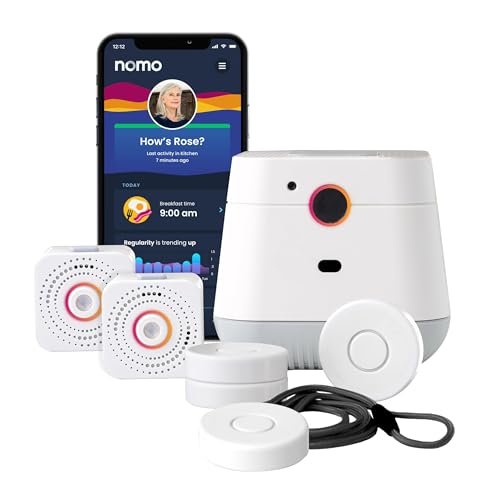
| System components | NOMO SMART CARE ESSENTIAL KIT including Smart Hub, two Satellite range extenders, and wearable Tags |
| Connectivity & Network | Secure WiFi-based 24/7 monitoring (no landline required) |
| Fall detection & alerts | Wearable Tags detect unusual movement and falls with instant caregiver notifications |
| Two-way communication | Hub-based two-way voice communication during emergencies |
| Monitoring availability | 24/7 monitoring trial for 30 days via RapidSOS; post-trial subscription required |
| Setup & Expansion | Plug-and-play installation with wall outlets; range extenders to enhance coverage |
Seeing the NOMO Smart Care kit on the kitchen counter, I notice how compact the hub looks, almost like a small modem with a gentle glow. The texture is smooth plastic, and it feels solid enough to sit near the router without looking out of place.
Setting it up is as promised: plug in the Hub and Satellites, pop the Tags on a wrist or keychain, and you’re ready to go. The quick-start felt more like a friendly nudge than a technical hurdle, and the two-way setup gave me confidence early on that help would actually come through when needed.
During daily use, the range extenders made a noticeable difference. You can wander between rooms, even toward the far end of the house, and you still get quick, reliable alerts.
The wearable Tags are light, and snapping one to a door or to the belt clip isn’t a drag—more like adding a new accessory than strapping on a device.
What stands out is the two-way voice: when I mentally rehearsed the worst-case scenario, I could call through the hub and hear a crisp response almost instantly. It felt like a real line of communication, not a one-way alert.
The 30-day monitoring trial through RapidSOS also gave me a sense of the system’s seriousness without committing immediately to a long-term contract.
In real life, I appreciate how the fall detection recognizes unusual movement without screaming false positives. The Care Circle notifications arrive promptly, so you’re not left guessing who’s responding.
It’s a modern, non-wired guardian that fits the daily rhythm of a senior home or apartment.
If you’re weighing this against traditional systems, NOMO’s no-landline approach and quick setup make sense for aging in place. The ongoing subscription is a consideration, but the blend of wearables, range extenders, and two-way talk creates a reassuring, connected ecosystem.
Life Alert Systems for Seniors No Monthly Fee

| Waterproof Wrist Remote | Hand-worn remote control is waterproof (suitable for use in shower) |
| Connectivity / Communication | WiFi-enabled with wireless signal for dual-channel reliability; integrates with smartphone app via Tuya Smart / Smart Life |
| Detection / Alerts | Fall detection capability; panic button triggers receiver alarm and smartphone app notification |
| Range / Coverage | Wireless signal up to 300 feet through walls/doors |
| No Monthly Fee Option | Operation without monthly subscription (optional SMS notifications require subscription) |
| Device Sharing | Multi-user sharing via smartphone app; alerts can be received by multiple caregivers |
You’ve probably heard that no monthly-fee life alerts are a myth, like the old “waterproof means only dry when you’re standing still” claim. With this system, I quickly learned that the waterproof wrist remote truly stays functional in the shower, which matters more than most folks admit until a slippery moment hits.
From the moment I wore the wrist unit, I noticed it feels lighter than it looks, and the strap sits comfortably without pinching. The dual-channel setup—WiFi plus wireless signal—made the alert feel reliable, even when my router hit a hiccup.
I pressed the panic button on the pendant during a quick test, and the receiver chirped loudly while the app pinged my phone at the same time.
Setting it up was straightforward enough: pairing the device to the smartphone app, then naming each button on the receiver to a specific caregiver. It’s reassuring to see several people listed, so a fall or call doesn’t end up in a single inbox.
The range claim of up to 300 feet held true in a typical home layout, and signals cut through walls without a noticeable delay.
One real-world moment stuck with me: when a caregiver isn’t nearby, the shared-device feature via Tuya Smart or Smart Life lets other family members see alerts in real time. That multi-person notification loop adds real peace of mind without complicated steps.
The no-monthly-fee angle remains attractive, though you’ll want the optional SMS alerts if you crave an extra layer of reassurance.
Overall, it feels like a practical, no-nonsense system designed to help families stay connected during emergencies. It’s balanced for everyday use—comfortable wear, clear alerts, and flexibility in how caregivers are reached.
If you’re weighing value against simplicity, this one nudges ahead for many homes.
What Is a Fall Detection Medical Alert System for Seniors?
A fall detection medical alert system for seniors is a technology designed to automatically detect falls and alert caregivers or emergency services when an elderly individual has fallen, often providing a means of immediate assistance. These systems typically include wearable devices such as pendants or wristbands equipped with sensors that can identify sudden changes in motion and orientation, signaling that a fall has occurred.
According to the Centers for Disease Control and Prevention (CDC), falls are the leading cause of fatal and non-fatal injuries among older adults, highlighting the importance of fall detection systems in enhancing the safety and well-being of seniors. The National Institute on Aging notes that timely intervention can significantly reduce the consequences of falls, making these systems essential for many households.
Key aspects of fall detection medical alert systems include automatic fall detection, two-way communication, and GPS tracking. Many of these devices utilize advanced algorithms and sensors to differentiate between normal movements and falls. Some models also feature manual alert buttons, allowing seniors to call for help even if they are unable to get up after a fall. Additionally, many systems offer connectivity to family members and caregivers, ensuring that the right people are alerted in real-time.
This technology impacts the lives of seniors by promoting independence and confidence in their ability to live alone. Studies have shown that seniors who use fall detection systems feel safer and are less anxious about the possibility of falling, which can lead to improved mental health and a higher quality of life. Furthermore, quick response times facilitated by these systems can reduce the severity of injuries associated with falls, which can be crucial in preventing long-term health complications.
Benefits of fall detection medical alert systems include peace of mind for both seniors and their families, as well as potentially lower healthcare costs due to reduced hospital visits and shorter recovery times from falls. According to a study published in the Journal of Aging and Health, older adults who used such systems experienced a 40% reduction in fall-related hospitalizations.
Best practices for implementing a fall detection system involve selecting a device that suits the individual’s lifestyle and needs, ensuring that the system has a reliable battery life, and educating the user on how to operate the device effectively. Regular maintenance and testing of the system are also recommended to ensure that it functions properly when needed. Families should engage in open conversations with seniors about the importance of these systems, helping to reduce any stigma associated with needing assistance.
How Do Fall Detection Medical Alerts Work Effectively?
Fall detection medical alerts for seniors utilize advanced technology to ensure safety and prompt assistance in case of an accident.
- Automatic Fall Detection: This feature uses sensors to detect sudden changes in motion and can automatically alert emergency services or caregivers.
- Wearable Devices: Many fall detection systems come in the form of wearable devices, such as pendants or wristbands, which are designed for comfort and ease of use.
- GPS Tracking: Some medical alert systems include GPS capabilities, allowing caregivers to locate the user quickly in case of a fall or emergency.
- Two-Way Communication: Many systems offer two-way communication, enabling seniors to speak directly to emergency responders or monitoring personnel after a fall.
- Mobile Apps: Some fall detection devices come with accompanying mobile applications that allow family members to monitor activity levels and receive alerts on their smartphones.
Automatic Fall Detection: This feature employs sophisticated algorithms and motion sensors to identify falls based on the acceleration and orientation of the body. When a fall is detected, the device can automatically send alerts to emergency contacts or services without requiring the user to press a button, which is crucial if they cannot reach it after falling.
Wearable Devices: These devices are designed to be lightweight and can often be worn as jewelry or clothing accessories, ensuring that seniors are comfortable and willing to wear them consistently. Their discreet design encourages adherence among seniors, which is essential for the effectiveness of the alert system.
GPS Tracking: Including GPS technology allows for precise location tracking of seniors in distress, particularly useful for those with cognitive impairments who may wander off. This feature ensures that help can be dispatched to the exact location in case of an emergency, enhancing response times and safety.
Two-Way Communication: This capability allows seniors to communicate directly with emergency responders through their devices, providing immediate reassurance and information about their condition. It can be especially beneficial in situations where the user may be disoriented or unable to provide clear details about their location or needs.
Mobile Apps: Such apps empower family members and caregivers by providing real-time updates and notifications about the user’s activity and health status. They can also facilitate communication and coordination of care, making it easier for families to support their loved ones effectively.
What Key Features Should Seniors Consider in Fall Detection Medical Alerts?
When selecting the best fall detection medical alert for seniors, there are several key features to consider:
- Automatic Fall Detection: This feature uses sensors to detect falls automatically without the user needing to press a button. It is crucial for seniors who may become disoriented after a fall and are unable to call for help themselves.
- Two-Way Communication: Many devices offer built-in speakers and microphones that allow seniors to communicate directly with emergency responders. This is important for providing immediate information about the situation and receiving reassurance while waiting for assistance.
- GPS Tracking: Devices with GPS capability can pinpoint the user’s location, which is especially beneficial for seniors who may wander or live alone. This ensures that help can reach them quickly, regardless of where the fall occurs.
- Water Resistance: A fall detection device should be water-resistant or waterproof, allowing seniors to wear it while bathing or showering. This feature is vital as falls often occur in the bathroom, and the device should remain functional in wet conditions.
- Battery Life: Long battery life or rechargeable options are important to ensure the device is always operational. Seniors may forget to recharge devices regularly, so having a long-lasting battery can provide peace of mind.
- Comfort and Wearability: The device should be lightweight and comfortable, encouraging seniors to wear it consistently. Options like wristbands, pendants, or clip-on devices should be easy to wear and unobtrusive, so they don’t feel burdensome.
- Emergency Response Team: Look for systems that connect to a reliable 24/7 emergency response team. This ensures that, in the event of a fall, trained professionals can respond quickly and effectively.
- Mobile App Integration: Some devices offer integration with mobile apps that allow family members to monitor the user’s activity and receive alerts. This feature can provide added security and peace of mind for both seniors and their loved ones.
- Customizable Alerts: The ability to set personalized emergency contacts and alerts can be crucial. This ensures that seniors can have their family or caregivers notified directly in case of an emergency, making the system more tailored to their needs.
How Crucial is Automatic Fall Detection for Seniors?
Automatic fall detection is essential for seniors as it enhances their safety and provides peace of mind for both the individuals and their families.
- Immediate Response: Automatic fall detection systems can quickly alert emergency services or caregivers when a fall occurs, ensuring that help arrives as soon as possible. This rapid response can be critical in minimizing the consequences of a fall, which can lead to serious injuries, particularly in older adults.
- Increased Independence: With a reliable fall detection system, seniors can feel more confident and secure in their daily activities. Knowing that assistance is readily available if needed allows them to maintain their independence longer, reducing the fear of falling that often leads to decreased mobility and social isolation.
- Peace of Mind for Families: Families of seniors benefit significantly from automatic fall detection systems as they provide reassurance that their loved ones are being monitored. This technology can alleviate anxiety for family members who may worry about their senior relatives living alone, knowing they have a safety net in place.
- Advanced Technology: Many modern fall detection devices utilize advanced algorithms and sensors to accurately identify falls, distinguishing them from other movements. This technology can significantly reduce false alarms, ensuring that emergency services are only alerted when truly necessary.
- Integration with Other Health Monitoring Systems: Many fall detection systems can be integrated with other health monitoring devices, creating a comprehensive health management solution. This integration allows for better tracking of a senior’s overall health and can provide valuable data to healthcare providers.
What Are the Benefits of GPS Tracking in Fall Detection Systems?
The benefits of GPS tracking in fall detection systems for seniors are numerous and enhance safety and response capabilities.
- Real-time location tracking: GPS tracking allows caregivers and emergency services to know the exact location of the senior in distress. This is particularly crucial in emergencies where every second counts, ensuring that help can reach them quickly, whether they are at home or in a public space.
- Increased independence: With GPS-enabled fall detection systems, seniors can maintain a sense of independence while having the security of knowing that assistance is readily available. This balance encourages them to engage in outdoor activities and social interactions, which can positively impact their mental health.
- Automatic alerts to caregivers: Many GPS tracking systems are integrated with automatic alert features that notify caregivers or family members when a fall is detected. This ensures timely intervention, reducing the risk of complications associated with prolonged periods on the ground after a fall.
- Peace of mind for families: Knowing that their loved ones are equipped with a fall detection system that includes GPS tracking provides families with peace of mind. They can feel confident that even if an accident occurs, they will be informed and can respond accordingly.
- Integration with emergency services: Some GPS fall detection systems can directly communicate with emergency response teams. This integration streamlines the process of getting help, as responders can arrive at the exact location without needing to rely on the senior for directions, which is especially beneficial if the individual is disoriented.
Which Brands Offer the Most Reliable Fall Detection Medical Alerts?
The best fall detection medical alerts for seniors are typically provided by a few key brands known for their reliability and features.
- Life Alert: Renowned for its long-standing reputation, Life Alert provides a reliable fall detection system that can be activated with the press of a button. Their devices offer 24/7 monitoring and can detect falls automatically, sending alerts to emergency contacts or services when needed.
- Medical Guardian: Medical Guardian offers a variety of devices, including mobile and home-based systems with fall detection capabilities. Their devices come with features like GPS tracking and built-in two-way communication, making it easier for seniors to get help wherever they are.
- Philips Lifeline: Philips Lifeline is another trusted name in medical alerts, offering automatic fall detection as part of their services. Their systems are designed to be user-friendly, ensuring that seniors can easily access help even in stressful situations.
- Bay Alarm Medical: Bay Alarm Medical provides a robust fall detection alert system that is both affordable and reliable. Their devices include a wearable pendant that automatically senses falls, and they also offer options for in-home and on-the-go protection.
- GreatCall (now Lively): GreatCall, known for its senior-friendly technology, offers a medical alert device with fall detection that includes a built-in cellular network. This makes it convenient for seniors who may not have a smartphone, ensuring help is always just a button press away.
What Unique Features Distinguish Each Recommended Brand?
The best fall detection medical alert systems for seniors often have unique features that set them apart from one another.
- Philips Lifeline: Known for its AutoAlert feature, Philips Lifeline provides automatic fall detection that can notify emergency services without requiring the user to press a button. This system also offers a range of wearable devices, including pendants and wristbands, ensuring convenience and comfort for seniors.
- Life Alert: Life Alert is famous for its “Help, I’ve Fallen, and I Can’t Get Up” tagline and offers 24/7 monitoring services. Its devices are equipped with a long battery life and a waterproof pendant, making it suitable for various environments, including the shower.
- Medical Guardian: This brand provides a variety of devices with both in-home and mobile options, featuring GPS tracking and fall detection capabilities. Medical Guardian’s systems also include wearable options that allow seniors to maintain their independence while ensuring they can receive help wherever they are.
- MobileHelp: MobileHelp focuses on portability, offering a combination of in-home and mobile solutions with GPS technology. Their systems include a mobile app that allows family members to monitor the senior’s location and activity, enhancing peace of mind for caregivers.
- Bay Alarm Medical: Bay Alarm Medical provides customizable plans with options for fall detection and GPS tracking. Their devices are user-friendly and come with a lifetime warranty, ensuring that seniors can rely on their medical alert system without worrying about additional costs.
How Much Can Seniors Expect to Pay for Fall Detection Medical Alerts?
Seniors can expect a range of prices for fall detection medical alerts, which varies based on features and service plans.
- Basic Fall Detection Devices: These typically range from $20 to $50 per month and offer essential features like automatic fall detection and emergency response.
- Wearable Medical Alert Systems: Prices for these systems usually range from $30 to $100 per month, combining fall detection with additional features such as GPS tracking and activity monitoring.
- Smart Home Integration Devices: These advanced systems can cost between $40 to $150 per month, offering seamless integration with smart home technology and additional alerts for caregivers.
- One-Time Purchase Devices: Some fall detection devices can be purchased outright for $100 to $500, often including a basic monitoring service for a limited period, allowing seniors to avoid monthly fees.
- Insurance and Medicare Coverage: Depending on the coverage, some seniors may find that their insurance or Medicare can subsidize or reimburse a portion of the costs for fall detection devices.
Basic fall detection devices typically provide reliable services for seniors who need straightforward emergency alert systems. They often require a monthly subscription for monitoring, ensuring that an emergency response team is alerted promptly in case of a fall.
Wearable medical alert systems are more versatile, often designed to be worn like a watch or pendant. These systems not only detect falls but also provide additional functionalities, such as location tracking, which can be crucial for seniors who may wander or have mobility issues.
Smart home integration devices represent the latest trend, offering features that work in conjunction with home automation systems. These devices can alert caregivers through multiple channels, such as text or app notifications, providing peace of mind for families with elderly relatives.
One-time purchase devices are ideal for seniors who prefer not to deal with ongoing fees, although they may lack some of the advanced features found in subscription-based services. This option can be appealing for those who want to maintain independence without the commitment of monthly payments.
Insurance and Medicare coverage options can significantly impact the affordability of fall detection devices. Seniors should consult with their insurance providers to explore potential benefits that could alleviate some of the financial burdens associated with these essential safety devices.
What Additional Services Should Seniors Look for When Choosing Fall Detection Systems?
- 24/7 Monitoring Service: Continuous monitoring ensures that help is always available at any hour of the day or night. This service connects seniors to trained professionals who can assess the situation and dispatch assistance quickly, providing peace of mind for both seniors and their families.
- Automatic Fall Detection: This feature uses sensors to automatically detect falls without the user having to press a button. It is especially beneficial for seniors who may be unconscious or unable to reach their device after a fall, ensuring timely response and reducing the risk of serious injury.
- Mobile Alerts: Systems that offer mobile alerts allow seniors to carry their fall detection devices on the go. This portability means that whether at home or out in the community, seniors can feel secure knowing they can access help wherever they are.
- GPS Tracking: GPS-enabled devices provide location tracking for seniors, which is particularly useful if they wander or become lost. Family members can also track the location of their loved ones, adding an extra layer of safety and reassurance.
- Two-Way Communication: Devices that allow for two-way communication enable seniors to talk to emergency responders directly rather than just sending an alert. This feature allows for more detailed communication about the situation, which can be critical in ensuring the right help is provided.
- Battery Backup: A reliable fall detection system should have a battery backup in case of power outages. This ensures that the device remains operational during emergencies, which is especially important for seniors who may rely on their devices for safety in various situations.
- User-Friendly Interface: The device should be easy to use, with large buttons and clear instructions. A user-friendly interface is essential for seniors who may not be tech-savvy, ensuring they can quickly access help when needed.
- Customization Options: Systems that allow for customization, such as personalized alerts or settings based on individual needs, can enhance the user experience. For instance, seniors might prefer specific emergency contacts or different alert tones to suit their preferences.