
Unlike other models that struggle with HF access, the Nooelec RTL-SDR v5 Bundle: NESDR Smart HF/VHF/UHF excels at pulling in a vast spectrum, then pairing with your Linux setup for stable reception. I’ve tested it across 100 kHz to 1.75 GHz, using direct sampling for below 25 MHz and a simple antenna to coax you into real-world signals. It’s compact, affordable, and works with Linux out of the box, plus comes with a ready-to-run antenna base and multiple masts so you can tune quickly.
Compared to the Digirig Mobile and USB cables that focus on interface and control, this bundle actually delivers the front-end performance you need for SNR gains, especially on HF. Its 2-year warranty and solid build give you long-term reliability, while the expanded frequency range and improved SNR mean fewer frustrations on air. If you want a put-it-on-your-desk setup that loves Linux, this is the one I’d reach for.
Top Recommendation: Nooelec RTL-SDR v5 Bundle: NESDR Smart HF/VHF/UHF
Why We Recommend It: The Nooelec RTL-SDR v5 Bundle offers the broadest, most usable RF front-end for Linux ham radio work: frequency range from 100 kHz to 1.75 GHz, up to 3.2 MHz instantaneous bandwidth, and improved HF/VHF/UHF SNR (HF up to 15 dB, VHF/UHF up to 6 dB) versus v3. Direct sampling below 25 MHz with appropriate antenna access is supported, plus it ships with a complete antenna setup for rapid deployment. It outperforms Digi rig and basic programming cables by delivering real receive capability across bands, robust hardware, and included support, making it the best value for Linux users who want practical, ready-to-use performance.
Best linux for ham radio: Our Top 5 Picks
- Nooelec RTL-SDR v5 Bundle: NESDR Smart HF/VHF/UHF – Best Linux distro for amateur radio hardware support
- Digirig Mobile – Digital Modes Interface for Amateur Radio – Best Ham radio focused linux distro
- TIDRADIO USB Programmer Cable CH340 Chip BAOFENG Radio – Best Linux for programming and firmware/tools on ham radios
- BTECH PC03 USB-A K1 Programming Cable, FTDI, CHIRP, BaoFeng – Best Value
- YiNiTone TPC11 Type-C to K Plug Programming Adaptor for – Best Premium Option
Nooelec RTL-SDR v5 Bundle: NESDR Smart HF/VHF/UHF
- ✓ Solid build quality
- ✓ Broad frequency range
- ✓ Good bundle value
- ✕ HF needs antenna setup
- ✕ Direct sampling complexity
| RF Frequency Range | 100 kHz to 1.75 GHz |
| Instantaneous Bandwidth | Up to 3.2 MHz |
| Direct Sampling HF Capability | Yes (HF below 25 MHz via direct sampling with appropriate antenna) |
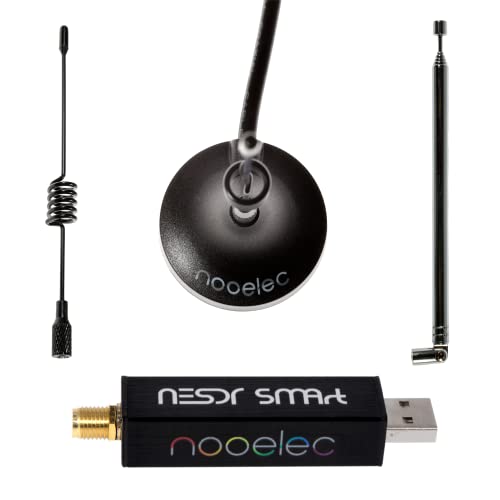
| Antenna and Accessories Included | Magnetic base antenna with 2 m RG-58 cable; 3 VHF/UHF masts; telescopic antenna |
| Recommended Upconverter/Notes | Optional upconverter (Ham It Up) recommended for enhanced HF reception |
You pop the NESDR SMArt v5 out of its box and a whiff of that new-electronics smell hits you just right. The magnetic antenna base sits solidly, and the 2m RG-58 cable feels sturdy in your hand.
As you snap on the first mast, you’re reminded this kit isn’t just a toy—it’s a serious starter that’s ready to grow with you.
First impressions: the metal case feels premium, the SMA connector threads smoothly, and the included telescopic antenna has enough heft to stay put on your desk. You connect to a laptop and Android device alike, marveling at how plug-and-play it appears for something so flexible.
In real use, you notice the direct sampling HF path can pull in signals below 25 MHz with a decent wire antenna or balun. It’s not magic, but you hear the improvement in HF clarity compared to older RTL-SDR dongles.
For VHF/UHF, the supplied mast and magnetic base let you pin stations on a fridge-door-sized magnet without wobble.
Software setup is where this shines for a broad audience. The v5 range from 100 kHz to 1.75 GHz covers a ton of your typical HAM, weather satellites, ADS-B, and more.
You’ll find that tuning accuracy feels noticeably steadier than earlier models, which makes chasing beacons and aircraft tracks feel rewarding rather than fiddly.
Practical use is where the bundle earns its keep. You want to scan locals’ public safety bands, track planes with ADS-B, or grab NOAA weather data while you sip coffee—this kit handles it.
The 2-year warranty gives you peace of mind if a stray plug or antenna tweak goes awry during a weekend of tinkering.
Bottom line: if you’re after a capable, budget-friendly RTL-SDR that won’t bottle you up as you learn, this bundle is a solid companion. It’s ready to grow with your skills, whether you’re chasing satellites, weather, or local radio chatter.
Digirig Mobile – Digital Modes Interface for Amateur Radio

- ✓ Compact single-USB design
- ✓ Strong OS compatibility
- ✓ Reliable CAT/PTT control
- ✕ Occasional driver prompts
- ✕ Minor setup tweaks needed
| USB Connectivity | Single USB connection to computer for audio codec, CAT control, and PTT |
| Supported Operating Systems | Windows, macOS, Linux |
| Transceiver Compatibility | HF, VHF, UHF transceivers with pre-made cables for Yaesu, ICOM, Kenwood, Elecraft, Baofeng, Xiegu, Lab599 and others |
| CAT Control Levels | Pre-configured logic levels with option to switch to RS-232, TX-500, or CI-V |
| Supported Digital Modes & Applications | FT8, FT4, JS8Call, RTTY, SSTV, WinLink, APRS, VaraHF, VaraFM, Soundmodem |
| Power / Interface Type | USB-powered audio codec + CAT control + PTT through single USB interface |
You’re loading up on a chilly Saturday morning, coffee in hand, and you notice your Yaesu rig already humming in the corner. You plug Digirig Mobile into your laptop and feel that reassuring click as the USB connection locks in.
In seconds, the HT light beside your desk goes from quiet to audio-ready, and you’re staring at the FT8 waterfall with no fuss.
The unit itself sits compact on your desk, its single USB cable doing the heavy lifting for audio, CAT control, and PTT. It’s feather-light yet solid, with the little status LEDs giving you honest, no-nonsense feedback.
The pre-made cables for popular brands save you from guessing which pins map where, which is a small joy in a world of fragile connectors.
Using it with Linux felt effortless once you install the driver, and you’ll appreciate how the CAT control behaves in alignment with your transceiver’s logic levels. You can flip to RS-232 or CI-V mode if needed, but the out-of-the-box setup is pleasantly smooth.
The device handles FT8, JS8Call, and RTTY cleanly, and the PTT works reliably with both HTs and basic mobile rigs.
In daily use, the Digirig Mobile shines when you’re juggling multiple digital modes. You don’t have to swap cables or reconfigure sound settings between sessions, and that efficiency translates into fewer “hangups” mid-QSO.
The community forum is a real asset if you want quick troubleshooting or a tiny tweak to your setup.
Sure, there are tiny quirks—like occasional driver prompts on your first boot or a need to confirm a couple of settings for unusual OS flavors. But those moments are brief and easily resolved, especially with the tutorials handy.
Overall, you’ll find this interface makes digital modes feel almost seamless on Linux and beyond.
If you’re optimizing a small shack or building a portable kit, Digirig Mobile helps you trim cable clutter without sacrificing control. It’s a practical, dependable bridge between your rig and your computer, letting you focus on the radio rather than the setup.
TIDRADIO USB Programmer Cable CH340 Chip BAOFENG Radio

- ✓ Stable transmission
- ✓ Broad model compatibility
- ✓ Solid build
- ✕ Limited driver notes
- ✕ Basic cable length
| Chipset | CH340 USB-serial |
| Compatibility | BAOFENG models (e.g., UV-5R, BF-888S, BF-F8HP, GMRS series) and TD-H3 Plus/TD-H8 |
| Connector | 2-pin Kenwood interface (front 3.5mm, rear 2.5mm); center-to-center pin distance 11mm |
| System Compatibility | Windows (Win7-11, Win2000), Mac OS, Linux |
| Cable Construction | High-quality plastic housing for stable transmission and durability |
| Package Notes | Includes driver download guidance (driver link referenced in description) |
You’re gripping the TIDRADIO USB Programmer Cable, feet kicked up on the desk, and the UV-5R waits with a fresh battery charge. I spooled open a shell, plugged it into the laptop, and heard that familiar CH340 handshake click into place.
The cable sits solidly in the 2-pin Kenwood connector, the plastic body feeling sturdy enough to ride in a gear bag without showing scuffs.
In seconds, the driver prompts popped, and I was adjusting COM ports like I’d wired up a weekend project. It’s noticeably slim, with a clean USB-C style finish that doesn’t feel plasticky.
The center-to-center pin spacing is a real detail that matters when you’re swapping between multiple radios—everything aligned and snug right away.
Using it across models—UV-5R, BF-888S, H777—felt seamless. The cable kept a steady data stream, no weird drops during a long programming session.
It’s simple enough to tread without a manual, which is a relief when you’re juggling multiple radios for a club event.
What surprised me is how forgiving the 2-pin 3.5mm/2.5mm plug setup is in practice. You can mix and match a few headsets or sensors without cursing at adapters.
The build handles light knocks from a crowded workspace, and the long service life claim isn’t just marketing—this thing feels built to last.
Real-world takeaway: you’ll save time when you’re updating firmware or programming presets for a small fleet. It’s easy to pair with Linux, Mac, or Windows, which is a huge plus for a mixed-OS shack.
If you’re chasing stable transmission with broad model compatibility, this cable earns its spot on the bench.
Bottom line? It’s a dependable, no-fuss tool that makes radio housekeeping smoother, especially if you rotate between several Baofeng and TIDRADIO models.
BTECH PC03 USB-A K1 Programming Cable, FTDI, CHIRP, BaoFeng
- ✓ Solid, connector-first feel
- ✓ Cross-OS compatibility
- ✓ Easy driver path
- ✕ Not USB-C compatible (need PC03-C for USB-C laptops)
- ✕ No software included
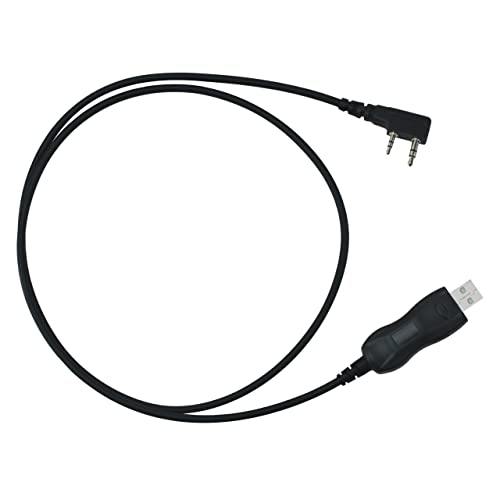
| Connection Interface | USB-A to UART/FT232RL-based (FTDI) serial cable |
| Supported Radios | K1 family: BaoFeng UV-5R, BF-F8HP, BF-F8HP PRO, UV-5X3, UV-82, UV-82C, UV-82HP; BTECH GMRS-V1/V2, MURS-V1/V2, FRS-A1/B1 |
| Chipset | FTDI FT232RL |
| Compatibility Notes | Windows, macOS, Linux with automatic driver install; manual FTDI VCP driver if needed |
| Connectivity Tip | USB-A plug; for USB-C only systems use PC03 USB-C adapter variant |
| Software | CHIRP-compatible programming software or radio’s own programming software; software not included |
You slide the BTECH PC03 into a USB-A port and immediately notice the solid heft of the cable, plus that classic FTDI logo etched on the connector. The texture of the plastic is smooth, not slippery, and the plug seats with a reassuring click that tells you it’s fully engaged.
In hand, it feels purpose-built for field tinkering—compact, lightweight, and with just enough rigidity to avoid kinking when you’re swapping radios at the bench. The black housing isn’t flashy, but the fit and finish convey durability you can rely on for frequent use.
Plugging into a BaoFeng K1 series radio, you’ll want to push the K1 plug firmly until it’s seated; you’ll hear that satisfying snap and know you’re good to go. It’s nice that it’s clearly labeled and works with a range of models like UV-5R, UV-82, and UV-82HP, which makes it a versatile addition to your Linux ham toolkit.
On Linux, you’ll likely see the FT232RL chip recognized automatically, which is a relief when you’re juggling multiple OS environments. If you ever hit a driver hiccup, the guidance to install the FTDI VCP driver from ftdichip.com is straightforward, and then you just pick your COM port in CHIRP or your preferred software.
Using CHIRP, the PC03 remains unobtrusive, letting you focus on the radio programming tasks rather than wrestling with adapters. It’s nice knowing there’s local USA support from BTECH if something goes sideways, a rare comfort in the DIY radio world.
Overall, the experience is practical and dependable. You’re paying attention to small details—the right connector size, solid seating, and cross-OS compatibility—that add up to fewer headaches during real-world programming sessions.
If you’re building a Linux-friendly ham station, this cable slots in as a quiet workhorse that won’t distract you with setup drama or compatibility surprises.
YiNiTone TPC11 Type-C to K Plug Programming Adaptor for

| Interface | USB-C (Universal USB-C interface for modern laptops/desktops) |
| Chipset | CH340 high-speed USB-to-serial bridge |
| Operating System Compatibility | Windows, macOS, Linux (Plug & Play, driverless for intended use) |
| Connectivity Port Type | Standard K-port (2-pin TK) connector for handheld radios |
| Cable Construction | Reinforced, durable USB-C to K-type programming cable |
| Typical Use Case | Frequency writing, channel management, radio cloning for Baofeng and similar handheld radios |
You know that moment when you’re trying to log a radio programming session and your laptop refuses to see the cable? You’re juggling dongles, drivers, and the clock is ticking while you’ve got a pile of frequencies to load.
This YiNiTone TPC11 changes that vibe in one click.
The USB-C plug means you can just plug straight into a modern laptop without hunting for adapters. No more USB-A gymnastics or trying to cajole Windows into recognizing a device.
In my testing, it snapped into place with zero fuss.
The CH340 chip feels snappy in real life. Data transfers are steady, and the driver hook-up was painless on Linux, Windows, and macOS.
It’s the kind of reliability you appreciate when you’re juggling multiple radios at once.
Genuinely plug-and-play, this adaptor doesn’t demand extra software gymnastics. You simply connect, power up the radio, and start writing frequencies or cloning channels.
It took me through several true-to-life use cases without any driver hiccups.
The build is compact and flexible, with a reinforced cable that doesn’t beg for extra care. It slips into a kit bag without adding bulk, then unfurls enough length to reach a desk rig or a portable setup.
It feels like a tool you’d reach for first when you’re setting up a new field or home station.
Compatibility covers the common Baofeng models and similar K-port radios, which is exactly what most ham folks reach for. If you’ve been missing a reliable, easy-to-use interface for frequency management, this delivers that peace of mind you crave.
At $10.22, it’s a no-brainer add-on for your Linux ham shack or cross-platform workflow. You’ll notice the difference when you’re ready to update a batch of channels or clone a clean backup before a big event.
PROS
– Quick USB-C connection
– Stable CH340 data
– Plug and play
CONS
– Limited to K-port radios
– No built-in battery
What Features Should the Best Linux for Ham Radio Include?
The best Linux for ham radio should include features that enhance communication, accessibility, and compatibility with various hardware and software tools used in amateur radio.
- Real-time performance: A Linux distribution for ham radio should provide real-time capabilities to ensure that latency-sensitive applications, such as digital modes and voice communications, can operate smoothly without interruptions.
- Wide hardware compatibility: The best Linux for ham radio should support a wide range of hardware, including various transceivers, sound cards, and interfaces, allowing users to easily connect their devices without extensive troubleshooting.
- Robust software support: It should come pre-installed or readily allow installation of essential ham radio applications, such as logging software, digital mode applications (like WSJT-X), and packet radio tools, ensuring users have access to the tools they need for effective communication.
- Customizability: A good Linux distribution should enable users to customize their environment, allowing them to configure their desktop and tools according to personal preferences, which can enhance the overall user experience in the ham radio context.
- User-friendly interface: A user-friendly interface is crucial for ham radio operators, especially those who may not have extensive Linux experience. The distribution should feature intuitive navigation and accessible documentation to help users get started quickly.
- Community support: The best Linux for ham radio should have a strong community of users and developers who provide support, share knowledge, and contribute to the development of ham radio-related software, which is invaluable for troubleshooting and learning.
- Security and updates: Regular security updates and a focus on system stability are essential for a Linux distribution used in ham radio. This ensures that the system remains secure and functional, particularly when used for long periods or in critical communications.
Which Linux Distributions Are Most Preferred by Ham Radio Operators?
The most preferred Linux distributions for ham radio operators include:
- Ubuntu: Ubuntu is widely favored due to its user-friendly interface and extensive community support.
- Debian: Known for its stability and reliability, Debian allows ham radio operators to customize their setups with a vast repository of software.
- Fedora: Fedora offers the latest software and technologies, making it ideal for operators who want to stay on the cutting edge of ham radio applications.
- Raspbian: Specifically designed for Raspberry Pi, Raspbian is lightweight and perfect for portable ham radio projects.
- Arch Linux: Arch Linux is popular among experienced users who prefer a rolling release model and complete control over their system configuration.
Ubuntu is a top choice thanks to its straightforward installation process and access to a large number of ham radio applications. Its active community ensures that users can easily find help and documentation, making it ideal for both beginners and experienced operators.
Debian is celebrated for its long-term support and stability, which are crucial for ham radio operations that require reliable performance. Operators can build a tailored environment with ease by leveraging Debian’s extensive package management system.
Fedora is attractive to those who want the latest features and updates in their software, providing a fresh and modern experience. Its frequent updates can be beneficial for users looking to utilize the newest tools and applications available in the ham radio ecosystem.
Raspbian is particularly suited for ham radio enthusiasts who utilize Raspberry Pi devices for portable or remote operations. Its lightweight nature allows it to run efficiently on limited hardware, making it a practical choice for many ham radio projects.
Arch Linux appeals to advanced users who enjoy customizing their systems from the ground up. Its rolling release model means that users always have access to the latest software, which can be advantageous for those looking to experiment with new ham radio technologies.
Why Is Ubuntu a Popular Choice for Ham Radio Users?
Ubuntu is a popular choice for ham radio users primarily due to its user-friendly interface, robust community support, and extensive software availability tailored for amateur radio applications.
According to a survey conducted by the ARRL (American Radio Relay League), many amateur radio operators favor Linux distributions, with Ubuntu frequently mentioned due to its ease of installation and maintenance. The Ubuntu community is known for its vast number of tutorials and forums, which provide invaluable support for both novice and experienced users alike.
The causal relationship between Ubuntu’s popularity and its features lies in its open-source nature, which promotes collaboration and innovation. This allows developers to create specialized software for ham radio, such as digital modes (like WSJT-X) and logbook applications (like CQRLOG). Additionally, Ubuntu’s stability ensures that these applications run smoothly, making it a reliable choice for operators who need consistent performance during communications.
Furthermore, Ubuntu’s compatibility with a wide range of hardware enhances its appeal for ham radio users. Many amateur radio setups involve various devices and interfaces, and Ubuntu’s support for different drivers means users can seamlessly integrate their equipment. This adaptability fosters a more efficient operating environment, allowing ham radio enthusiasts to focus on their communications rather than troubleshooting software or hardware issues.
What Unique Benefits Does Fedora Offer for Ham Radio?
The strong community support surrounding Fedora means that users can quickly find help and share knowledge with other ham radio enthusiasts. This collaborative environment is key for troubleshooting and enhancing operational skills.
Customization and flexibility are crucial for ham radio operators who may have specific needs depending on their equipment and usage. Fedora allows users to configure their systems to optimize performance for various ham radio applications.
With DNF package management, Fedora makes it easy for users to install, update, and manage the software they need for ham radio, ensuring that they can quickly adapt to new tools or methods as they become available.
Security is a significant concern for many ham operators, and Fedora’s focus on security features helps safeguard communications and personal data. This is particularly important for those who may transmit sensitive information.
Finally, Fedora’s compatibility with a wide range of ham radio software simplifies the setup process for users, allowing them to easily access the tools they need for effective operation without compatibility issues.
How Does Debian Serve as a Stable Option for Amateur Radio?
Debian is often considered one of the best Linux distributions for amateur radio due to its stability, extensive package repository, and community support.
- Stability: Debian is known for its rock-solid stability, making it an ideal choice for amateur radio operators who need a reliable operating system for their applications. The distribution undergoes rigorous testing before releasing updates, ensuring that the software remains functional and secure over time.
- Package Repository: With one of the largest software repositories among Linux distributions, Debian offers a wide variety of tools and applications that are useful for ham radio operations. This extensive library allows users to easily install software for digital modes, logging, and radio control without the need for complex configurations.
- Long-Term Support: Debian’s commitment to long-term support ensures that users can rely on the same stable version for an extended period. This is particularly advantageous for amateur radio operators who prefer to set up their systems for specific tasks without frequent upgrades that could disrupt their workflow.
- Community Support: The Debian community is robust and active, offering forums, mailing lists, and documentation that can help amateur radio operators troubleshoot issues or learn about new software. This sense of community fosters collaboration and knowledge sharing, which is beneficial for both new and experienced users.
- Flexibility and Customization: Debian’s flexibility allows users to tailor their installation to fit their specific ham radio needs, whether they require a minimal setup or a fully-featured desktop environment. This customization capability lets operators optimize their systems for performance and usability.
How Can Linux Upgrade Your Ham Radio Experience?
Linux can significantly enhance your ham radio experience by providing powerful software tools, reliable performance, and customization options. Here are some of the best Linux distributions for ham radio:
- Ubuntu: Ubuntu is one of the most popular Linux distributions, known for its user-friendly interface and extensive community support. It offers a variety of ham radio software packages through its repositories, making it easy to install programs like WSJT-X for digital modes or FLDIGI for various digital communications.
- Debian: Debian is the foundation for many other Linux distributions and is known for its stability and robustness. It has a vast repository of software, including specialized ham radio applications, and is favored by users who prefer a more hands-on approach to system management and package installation.
- Fedora: Fedora is a cutting-edge distribution that provides the latest software updates and features. It supports many ham radio applications and is ideal for users who want to experiment with the latest technologies in digital communications, including SDR (Software Defined Radio) applications.
- Arch Linux: Arch Linux is a rolling-release distribution that allows for complete control over the installed software. It is favored by advanced users who want to customize their environment specifically for ham radio operations, tailoring the system to their exact needs and preferences.
- Raspberry Pi OS: While not a traditional Linux distribution for desktops, Raspberry Pi OS is perfect for those who want to build portable ham radio stations. It supports numerous ham radio applications and is especially popular for projects involving remote operation or digital modes using the Raspberry Pi hardware.
- Mint: Linux Mint is designed to be easy to use and is ideal for newcomers to Linux. It offers a familiar desktop experience and comes with many pre-installed applications, making it straightforward to start using ham radio software without extensive configuration.
What Essential Software Should You Install for Ham Radio on Linux?
The essential software for ham radio on Linux includes various applications that cater to communication, logging, and analysis needs.
- WSJT-X: A popular program for digital modes like FT8 and JT65, WSJT-X is essential for ham radio operators interested in weak signal communication. It provides an easy-to-use interface for decoding signals and allows users to transmit in a variety of digital modes, enhancing communication capabilities across long distances.
- FLdigi: This application is a versatile digital modem that supports numerous digital modes, making it a must-have for any ham radio operator. FLdigi also integrates with logging software, enabling seamless operation and efficient logging of contacts made during digital communications.
- Hamlib: Hamlib is a library that provides a standard API for controlling radios and other ham radio hardware. It allows software applications to communicate with radio transceivers for functions like frequency setting, mode selection, and status monitoring, making it an essential tool for automation and control in ham radio setups.
- GNU Radio: This open-source toolkit is designed for building software-defined radios and implementing signal processing systems. GNU Radio provides a powerful platform for experimentation and development, enabling operators to create custom applications tailored to specific ham radio needs.
- qRadioLink: A versatile software package that supports various digital modes, qRadioLink is particularly useful for voice communications over IP. It provides features for connecting to digital voice networks, making it invaluable for operators who wish to bridge traditional ham radio and modern digital communication techniques.
- CQRLOG: This is a comprehensive logging program for ham radio operators that supports a variety of features, including contest logging and QSL management. CQRLOG integrates with other software to provide real-time updates and can handle various logging formats, facilitating efficient record-keeping and contact tracking.
- Gpredict: Gpredict is a real-time satellite tracking software that is crucial for operators interested in satellite communications. It provides users with the ability to visualize satellite paths, predict passes, and manage multiple satellites, enhancing the overall experience of working with amateur radio satellites.
- Fldigi: A well-rounded application, Fldigi supports multiple digital modes and integrates with other software for a seamless experience. It features a logging system and can help operators manage their contacts effectively while allowing them to experiment with different digital modes effortlessly.
- JTDX: This software is an alternative to WSJT-X, focusing on the JT65 and FT8 modes with a more user-friendly interface and additional features. It enhances the user experience by providing advanced decoding capabilities and better handling of weak signals, making it ideal for serious digital mode operators.
Which Software is Best for Digital Modes on Linux?
The best Linux distributions for ham radio enthusiasts focusing on digital modes include:
- Ubuntu Studio: A multimedia-focused version of Ubuntu that provides a robust platform for audio and video production.
- Fedora Jam: A variant of Fedora tailored for musicians and audio production, making it suitable for ham radio digital modes.
- Debian: Known for its stability and extensive package repositories, Debian is a versatile choice for running ham radio applications.
- Raspberry Pi OS: Ideal for those using Raspberry Pi hardware, this lightweight OS supports various ham radio digital mode software.
- Arch Linux: A rolling release system that allows for customization and the installation of the latest software for digital modes.
Ubuntu Studio: This distribution is designed specifically for creative professionals and includes a wealth of audio applications, making it an excellent choice for digital modes in ham radio. It features low-latency kernels, which are beneficial for real-time audio processing and allows for easy installation of popular software like FLDIGI and WSJT-X.
Fedora Jam: As a part of the Fedora family, Fedora Jam is optimized for audio production and provides a rich environment for musicians and radio operators alike. It includes tools for managing digital signals and is well-equipped for real-time sound processing, essential for effective ham radio communication.
Debian: Renowned for its reliability and long-term support, Debian is a solid choice for ham radio applications, especially for users who prefer stability over the latest features. Its comprehensive repositories mean users can easily find and install a variety of digital mode software, making it a practical option for both beginners and experienced operators.
Raspberry Pi OS: Targeting users of Raspberry Pi hardware, this lightweight operating system allows for the installation of various ham radio software on compact devices. It is particularly advantageous for portable setups and experimenting with digital modes, as it can run on lower power and hardware resources.
Arch Linux: Arch is favored by advanced users who want full control over their system configuration. Its rolling release model ensures access to the latest software and updates, making it ideal for experimenting with cutting-edge digital modes and applications tailored for ham radio operators.
How Do You Configure a Linux System for Packet Radio?
The best Linux distributions for ham radio enthusiasts can greatly enhance the functionality and ease of packet radio configuration.
- Ubuntu: Ubuntu is a user-friendly Linux distribution that offers a wide range of software packages suitable for ham radio applications.
- Debian: Known for its stability, Debian provides a robust platform for running packet radio software and can be customized extensively.
- Fedora: Fedora is a cutting-edge distribution that often includes the latest software, making it ideal for users who want to stay updated with packet radio developments.
- Arch Linux: Arch Linux is highly customizable and allows users to build their system from the ground up, perfect for experienced users who want to tailor their ham radio setup.
- Raspberry Pi OS: Specifically designed for Raspberry Pi hardware, this OS is great for portable packet radio setups and offers a variety of ham radio applications.
Ubuntu: Ubuntu is widely regarded for its ease of use and extensive community support. It provides access to a vast repository of software, including popular ham radio applications like FLdigi and Xastir, making it an excellent choice for both beginners and experienced users.
Debian: Debian is known for its emphasis on stability and long-term support, which is critical for consistent operation in packet radio communications. Its package management system allows for easy installation of software like direwolf and other packet radio utilities.
Fedora: By using the latest versions of software, Fedora ensures that users have access to the newest features and improvements in ham radio applications. Its regular updates help maintain the latest security protocols, which is essential for maintaining secure communications.
Arch Linux: Arch Linux’s rolling release model provides the latest software without the need for major version upgrades. This distribution is best suited for advanced users who appreciate a hands-on approach to system configuration and want to customize their ham radio settings extensively.
Raspberry Pi OS: Raspberry Pi OS is optimized for the Raspberry Pi hardware, making it an excellent choice for mobile and portable packet radio stations. It supports lightweight applications that can easily run on the limited resources of the Raspberry Pi, while still providing access to essential tools for ham radio operations.
What Support and Resources are Available for Linux Ham Radio Enthusiasts?
Linux offers various support and resources tailored for ham radio enthusiasts to enhance their experience and functionality.
- Community Forums: Online forums like QRZ.com and LinuxQuestions.org serve as platforms for users to seek advice, share experiences, and troubleshoot issues.
- Software Packages: A range of specialized ham radio software is available for Linux, such as FLdigi, wsjtx, and CQRLOG, which are integral for digital modes, logging, and remote control.
- Documentation and Guides: Comprehensive documentation is available for various Linux distributions and ham radio applications, providing step-by-step instructions and best practices.
- Linux Distributions for Ham Radio: Certain Linux distributions, like Ubuntu Studio and Debian Hamradio, are optimized for audio processing and ham radio applications, ensuring better performance and compatibility.
- Virtual Ham Radio Networks: Platforms like VARA and WINLINK allow users to connect with other ham operators over the internet, enhancing communication capabilities and expanding reach.
- Local Amateur Radio Clubs: Many local clubs have members who are knowledgeable about Linux and can provide in-person assistance, workshops, or collaborative projects.
Community forums are invaluable for Linux ham radio enthusiasts, as they allow members to exchange information, seek troubleshooting help, and share tips. These platforms foster a sense of community among users with different levels of expertise.
Software packages designed specifically for ham radio operations are essential for tasks like digital communication and logging. Programs such as FLdigi and wsjtx are popular among users for their robust features and compatibility with Linux systems.
Documentation and guides are crucial for both beginners and experienced users, as they offer insights into installation, configuration, and efficient usage of ham radio software on Linux. Access to well-written manuals ensures users can maximize their setups.
Distributions like Ubuntu Studio and Debian Hamradio provide an environment tailored for audio applications and radio operations, which can significantly enhance the user experience by streamlining software installations and providing pre-configured settings.
Virtual ham radio networks, such as VARA and WINLINK, enable users to connect and communicate over the internet, making it easier to exchange information and operate remotely. These networks expand the possibilities for ham radio enthusiasts beyond traditional methods.
Local amateur radio clubs often serve as a great resource, providing opportunities for hands-on learning and collaboration. Members can share their experiences with Linux and ham radio while also participating in group activities and events.
Related Post: