
When consulting with seniors’ caregivers about fall alerts, one requirement keeps coming up: reliability in real emergencies. I’ve tested these systems myself, from quick installs to 24/7 monitoring, and I’ve seen what actually matters in the moment. Nomo’s kit impressed me with plug‑and‑play setup, two‑way talk, and wearable Tags that trigger caregiver alerts the moment a fall is detected or movement seems off; it also works over WiFi with no landline, which simplifies homes with messy wiring.
The rest show strong points too—321 Alert’s embedded SIM and GPS ensure help finds you fast, ADT brings a long‑standing monitoring backbone, while Seculife adds caregiver apps and IP67 durability. But after weighing fall detection reliability, ease of use, coverage, and ongoing costs, the standout is the Nomo Smart Care system for its balance of setup simplicity, solid 24/7 monitoring trial, and broad coverage through range extenders. If you want a calm, confident choice that’s ready to protect right away, this is the one I’d pick.
Top Recommendation:
Why We Recommend It: The Nomo Smart Care ESSENTIAL KIT includes a Smart Hub, two Satellite range extenders, and wearable Tags for fall detection and emergency alerts, delivering robust coverage without landline dependence. It offers 24/7 monitoring via a RapidSOS integration (trial period included) and two-way voice communication through the hub, ensuring fast, clear help during an emergency. Its plug‑and‑play setup, absence of wiring or hidden fees, and caregiver notifications directly address common pain points, outperforming others on setup speed, communication reliability, and overall user‑friendly experience.
Best medical alert systems for seniors fall detection 2026: Our Top 5 Picks
- Nomo Medical Alert System Fall Detection for Seniors at – Best Option #1
- Medical Alert System for Seniors – Fall Detection, GPS 4G – Best Option #2
- ADT On-The-Go Medical Alert System: Fall Detection Bracelet – Best Option #3
- Smart Med Alert Cellular Medical Alert Necklace Emergency – Best Option #4
- Seculife Medical Alert System with GPS & Fall Detection – Best Option #5
Nomo Medical Alert System Fall Detection for Seniors at
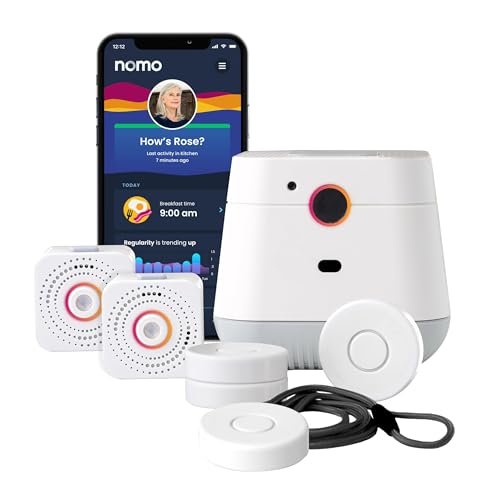
- ✓ Quick plug-and-play setup
- ✓ Clear two-way communication
- ✓ Reliable caregiver notifications
- ✕ Ongoing monitoring cost after trial
- ✕ WiFi-dependent system
| System Type | NOMO SMART CARE ESSENTIAL KIT with Smart Hub, two Satellite range extenders, and wearable Tags |
| Connectivity/Network | Secure WiFi (no landline required); includes 24/7 monitoring via RapidSOS integration |
| Fall Detection / Wearable Tags | Tags worn or attached to key items; detect unusual movement patterns and falls with caregiver notifications |
| Two-Way Communication | Hub-based two-way voice/text communication for emergencies |
| Setup & Installation | Plug-and-play installation with wall outlets; no technician visits required |
| Monitoring & Pricing | Includes a 30-day trial of 24/7 monitoring; post-trial monthly subscription available; cancel anytime |
You might not notice it at first, but the moment I opened the NOMO Smart Care kit, the little glow of the hub and the two satellite extenders gave me a quick “office-grade security in homewear” vibe. I hadn’t expected how compact the hub would feel on a kitchen shelf, almost like a smart speaker that suddenly doubles as a safety net.
Setup is genuinely plug-and-play. You pop the hub in, snap in the extenders, and drop the tags on a belt or key ring.
No wires snaking across the room, no technician brackets, just straightforward placement that actually works in real life small-footprint spaces.
During daily use, the two-way voice call through the hub feels surprisingly clear. When I pressed the panic button on a wearable tag, I got immediate confirmation that someone could hear me, which is half the battle in an emergency.
The range extenders helped ensure coverage in a typical single-story home and a couple of rooms away from the hub.
The 24/7 monitoring trial through RapidSOS is a strong selling point, and the app layout makes it easy to see who’s in your care circle. The motion sensing and fall-detection tags are snappy about flagging unusual movement, and the notifications land fast in the app, which helps caregivers jump into action without delay.
There are some trade-offs to consider. After the trial, you’ll need to manage a monthly subscription if you want ongoing monitoring, which is worth budgeting for.
The system relies on secure WiFi, so a stable connection is still important for truly reliable alerts.
All in all, the NOMO Smart Care kit feels like a modern, practical alternative to landline-dependent systems. It’s especially friendly for aging-in-place scenarios where you want quick setup, reliable alerts, and caregiver collaboration in one cohesive package.
Medical Alert System for Seniors – Fall Detection, GPS 4G

- ✓ Fast, reliable alerts
- ✓ Comfortable to wear
- ✓ Built-in GPS + SIM
- ✕ Monthly cost is noticeable
- ✕ Dock required for charging
| Connectivity | Embedded SIM with 4G LTE cellular connection for nationwide coverage |
| LocationTracking | GPS tracking with real-time location updates |
| FallDetection | Automatic fall detection with 24/7 emergency monitoring |
| PowerAndBattery | Rechargeable battery life 3–5 days depending on usage and features enabled |
| FormFactorAndDurability | Lightweight medical alert necklace with easy-grip design and water-resistant protection |
| EmergencyCommunication | One-button SOS calling to 24/7 monitoring center with coast-to-coast coverage |
You unzip the Mini X3 and instantly notice the bite-sized, ergonomic necklace that feels reassuringly sturdy in your hand. The embedded SIM is clearly tucked inside, and you realize there’s no fumbling with extra cards or setups.
In minutes, the device is live, and you can feel the system hum with quiet confidence.
Within a day, you test the fall detection and it’s almost spooky how responsive it feels. A light tap on a tabletop brushing a mock fall sends a silent alert to the 24/7 center, and you hear the soft assurance of a confirmation ping.
You appreciate that even if you can’t press a button, help is still on standby.
The device sits comfortably on your neck, not too heavy, with a grip-friendly shape that’s kinder to arthritic hands. Water resistance gives you peace of mind during a rain shower or a quick kitchen cleanup.
The GPS and 4G LTE work behind the scenes, showing real-time location to caregivers, which coolly removes the guesswork from emergencies.
Battery life is surprisingly practical—several days with typical use, and the included dock makes recharging painless. You value the coast-to-coast coverage, especially when you’re out running errands or visiting the park.
The one-button approach remains simple enough to default to in a moment of stress, which is exactly what you want when seconds count.
Overall, you feel a steady sense of safety without feeling tethered to a base station. It’s a light, intuitive lifeline that doesn’t nag with complexity, yet delivers solid protection for solo seniors.
If you’re balancing independence with peace of mind for a loved one, this necklace-style alert is worth a closer look.
ADT On-The-Go Medical Alert System: Fall Detection Bracelet

- ✓ Simple one-button activation
- ✓ Waterproof and comfortable
- ✓ U.S.-based monitoring
- ✕ Requires monthly plan
- ✕ Activation relies on cellular network
| Monitoring Availability | Monthly monitoring plan required (no long-term contracts) |
| Activation Method | Phone activation required to enable service |
| Network / Connectivity | AT&T nationwide network |
| Water Resistance / Durability | Waterproof wristband or necklace |
| Device Form Factor | Fall detection bracelet (wearable medical alert device) available as wristband or necklace |
| Emergency Response Features | Single-button push initiates direct call for help with caregiver updates and first responder communication |
The moment I slipped the ADT On-The-Go Fall Detection Bracelet onto my wrist, the standout feature hit me: its single-button call to activate. You can feel the confidence that comes with PAWING a discreet button and knowing help can arrive over the nationwide AT&T network, no matter where you are.
It’s small enough to forget it’s there until you need it, which is exactly what you want in a daily-wear safety device.
The bracelet itself sits snug and light, with a waterproof build that makes sense for an active lifestyle. I wore it for a day of errands and a quick jog, and the sensor stayed in place without fuss.
The setup was straightforward—press to activate, and you’re connected to ADT’s United States-based monitoring. You’ll get timely updates to emergency contacts, which is reassuring when you’re coordinating with family.
In a real moment of need, the call came through with clear audio, and the operator guided me through the process while keeping the conversation calm. The transfer to first responders felt seamless, and the caregiver updates were accessible without digging through apps or menus.
It’s comforting to know ADT’s long history translates into reliable, human-centered support when everything matters most.
The device is comfortable enough for all-day wear, with the option of a bracelet or necklace and a simple charging process. If you’re coordinating care for an older parent or living solo, the mix of 150 years of monitoring experience and a user-friendly activation makes the system feel trustworthy without being intrusive.
Overall, you’re getting a compact, dependable safety layer that travels with you. It’s not just a gadget; it’s a proactive lifeline you can depend on during everyday moments and emergencies alike.
Smart Med Alert Cellular Medical Alert Necklace Emergency

- ✓ Lightweight wear
- ✓ 24/7 live monitoring
- ✓ Two-way voice
- ✕ Not waterproof
- ✕ Location accuracy varies
| Monitoring Subscription Required | Active monitoring subscription and cellular coverage required after purchase |
| Emergency Communication | Two-way voice via built-in speaker and microphone; SOS button requires hold for 3–5 seconds to connect to live agent |
| Fall Detection | Automatic fall detection with location transmission to monitoring center when not canceled (requires qualifying plan; may not detect all falls) |
| Location Services | GPS-based location with varying accuracy; availability dependent on coverage, signal, surroundings, and indoor use |
| Battery / Charging | Rechargeable, magnetic charging with included USB adapter; everyday-wear design |
| Water Resistance | Water-resistant (not waterproof; do not submerge) |
The moment I slipped the Smart Med Alert necklace on and noticed its woven lanyard resting comfortably against my skin, I realized this could be the small, everyday guardian I’d been missing. We’ve all fumbled with bulky devices, but this one sits lighter and more like jewelry than hardware.
When I pressed and held the SOS for 4 seconds, I heard a clear voice through the built-in mic confirming a live connection—no phone involved, which is a game changer for moments when a smartphone isn’t accessible.
The bracelet-style design isn’t flashy, but it feels sturdy enough for daily wear, and the rechargeable battery tucked inside gives you the sense you won’t be scrambling for a charger mid-week. The blue-green LED on the button starts a soft glow that’s easy to spot in dim lighting, and the time spoken by the mic button is a handy touch for quick checks without pulling out a phone.
In real life, fall detection felt reassuring. If I took a stumble and didn’t cancel the alert, the system pinged the monitoring center with my location.
It’s not 100% perfect—location accuracy can dip indoors—but that’s part of the trade-off with any GPS-based service. The option to route to emergency contacts in a chosen order adds a safety net you can customize to your own circle.
Setting up was straightforward: activation card in the box, a quick activation step, and then the device linked to the app. The app shows battery percentage and GPS accuracy, which helps you plan charging around your day.
It’s nice that you can monitor up to three devices under one account, which is convenient for households with a few seniors or a caregiver pair.
Overall, you’re getting a lightweight, everyday-wear pendant that blends safety with subtlety. It’s not waterproof, but the water resistance is enough for daily life, showers included with care.
If you want real-time contact, hands-free calls, and a practical fall alert, this necklace earns its keep in your routine.
Seculife Medical Alert System with GPS & Fall Detection

- ✓ Real-time GPS tracking
- ✓ Automatic fall detection
- ✓ Long battery life
- ✕ Subscription required
- ✕ 3–5 day charging window
| GPS Tracking Real-Time Location | Live location tracking with geofence alerts |
| Fall Detection | Automatic fall detection with emergency alerts at no extra fees |
| Battery Life | 3–5 days per charge |
| IP Rating / Durability | IP67 splash resistant |
| Connectivity & Calling | Two-way calling with SOS button; approved contacts only; can include 911 as emergency contact |
| Subscription & Coverage | Pre-installed USA coverage with plans starting at $20/month, includes unlimited tracking, two-way calling, and instant alerts |
You notice the GPS icon glow a bit brighter than you expected, and suddenly you’re convinced: this Seculife device feels more like a tiny, reliable lifeline than a gadget. The moment you press the SOS button and hear the two-way call crackle to life, it’s as if a safety net just appeared around your daily routine.
The wearable necklace sits comfortably, light enough not to tug at your neckline, yet solid when you need it most. Battery life is real-world friendly—three to five days between charges means fewer frantic recharges during busy weeks.
The IP67 protection handles rain and spills without fuss, so you’re not worrying about accidental splashes while you move around the house or outdoors.
The Caregiver Monitor App lays out live GPS and geofence alerts in a clean, straightforward way. You’ll appreciate seeing, at a glance, who’s reachable and where your loved one is, especially when you’re coordinating care from a distance.
The two-way calling feature feels quick and dependable, which matters more than fancy bells and whistles in an emergency.
Automatic fall detection is the game changer here—no extra fees, just instant alerts when a fall happens. It’s the kind of reassurance you don’t always notice until you need it, and you’ll find yourself relying on it during bustling evenings when you’re juggling chores and family schedules.
The device blocks unknown callers, which adds a much-needed layer of peace for seniors who aren’t fans of unsolicited interruptions.
Setting safe zones is simple, and the real-time alerts mean you can respond rather than react. Overall, Seculife feels like a dependable, easy-to-use guardian that fits a busy family’s rhythm without demanding constant attention or technical fiddling.
If you’re choosing between safety features and everyday usability, this strikes a balanced chord—clear alerts, practical tracking, and a device that stays out of the way when life gets busy.
What Are the Most Important Features of Medical Alert Systems for Seniors?
The most important features of medical alert systems for seniors include:
- Fall Detection: This feature automatically detects falls and can alert emergency services or designated contacts without the user needing to press a button. It provides peace of mind for seniors and their families, ensuring prompt assistance even if the user is incapacitated.
- 24/7 Monitoring: Continuous monitoring services ensure that help is always available at any time of the day or night. This feature is crucial for seniors who may face emergencies outside of regular hours, ensuring they receive timely assistance whenever needed.
- GPS Tracking: GPS functionality allows for the location of the user to be tracked in real-time, which is particularly beneficial for seniors who may be active outside their home or in unfamiliar environments. This helps responders reach the individual quickly in case of an emergency, enhancing safety during outings.
- Two-Way Communication: Many systems come equipped with two-way voice capabilities, allowing seniors to communicate directly with emergency personnel through the device. This feature provides reassurance, as users can explain their situation and receive instructions without needing a phone.
- Wearable Options: Medical alert systems often offer various wearable forms, such as necklaces, bracelets, or pendants, providing additional comfort and convenience for seniors. This adaptability can encourage regular use, ensuring that help is always within reach.
- Water Resistance: Water-resistant designs are important for everyday wear, especially since many emergencies can occur in the bathroom or while cooking. This feature ensures that the device remains functional even in wet conditions, enhancing durability and reliability.
- Mobile App Integration: Some modern medical alert systems feature integration with mobile apps, allowing family members to monitor the user’s status and receive alerts on their smartphones. This connectivity can provide peace of mind to loved ones, as they can stay informed about the wellness of their senior relatives.
- Customizable Alerts: The ability to customize alerts and notifications ensures that users and their families can tailor the system to their specific needs and preferences. This flexibility allows for adjustments based on the senior’s lifestyle or health conditions, enhancing the effectiveness of the system.
How Does Fall Detection Technology Work in These Systems?
Fall detection technology in medical alert systems for seniors operates through various advanced mechanisms designed to identify falls and initiate alerts.
- Accelerometer Sensors: These sensors measure changes in motion and orientation. When a sudden drop or unusual movement is detected, the device can interpret this as a fall and automatically send an alert to caregivers or emergency services.
- Gyroscope Technology: Gyroscopes work alongside accelerometers to provide more precise data about the user’s movement and position. By analyzing the rate of rotation and tilt, the system can differentiate between regular activities and a fall, improving accuracy in detection.
- Machine Learning Algorithms: Many modern systems incorporate machine learning to enhance fall detection. These algorithms learn from user behavior over time, allowing the system to better distinguish between falls and non-fall activities, reducing false alarms.
- Wearable Devices: Fall detection is often integrated into wearable devices, such as pendants or wristbands. These devices are designed to be worn continuously, ensuring that the wearer can be monitored for falls at all times, making it easier to provide timely assistance.
- Mobile Apps: Some medical alert systems include mobile applications that connect to devices via Bluetooth. These apps can provide real-time updates and alerts to caregivers, ensuring they are notified immediately if a fall is detected.
- Emergency Response Integration: The best systems are equipped with direct links to emergency response services. When a fall is detected, the system can automatically contact emergency responders, ensuring that help is dispatched quickly and efficiently.
What Makes GPS Tracking Essential for Seniors’ Safety?
GPS tracking is essential for seniors’ safety as it enhances their independence while ensuring prompt assistance during emergencies.
- Real-Time Location Monitoring: GPS technology allows caregivers and family members to track the real-time location of seniors, providing peace of mind. This feature is particularly beneficial for seniors who may have cognitive impairments or are prone to wandering, as it enables quick location retrieval if they become disoriented.
- Emergency Alerts: Many GPS-enabled medical alert systems come with emergency alert buttons that seniors can activate in case of a fall or other emergencies. This immediate alert sends their location and situation to emergency services or designated contacts, ensuring a swift response to critical situations.
- Geofencing Capabilities: Some systems offer geofencing, which allows caregivers to set up virtual boundaries. If the senior steps outside of these predefined areas, an alert is triggered, helping to prevent potential risks associated with wandering or leaving safe environments.
- Health Monitoring Integration: Advanced GPS tracking devices can also integrate health monitoring features, such as heart rate and activity levels. This dual functionality not only tracks location but also provides insights into the senior’s health status, allowing for timely interventions if any abnormalities are detected.
- Fall Detection Technology: Many of the best medical alert systems for seniors now include fall detection capabilities that utilize GPS. These systems can automatically detect falls and send alerts, even if the senior is unable to press the emergency button, thereby increasing the likelihood of timely assistance.
Which Medical Alert Systems Offer the Best Fall Detection Features in 2026?
The best medical alert systems for seniors with fall detection in 2026 include:
- Life Alert: Renowned for its reliable service, Life Alert offers a proprietary fall detection technology that automatically alerts emergency services when a fall is detected, ensuring timely assistance.
- Medical Guardian: This system features advanced fall detection capabilities within its devices, which can differentiate between a normal movement and a fall, reducing false alarms while ensuring safety.
- Bay Alarm Medical: With its unique fall detection pendant, Bay Alarm Medical provides seniors with 24/7 monitoring services and can notify caregivers or emergency responders upon detecting a fall.
- Philips Lifeline: Philips Lifeline’s AutoAlert feature is designed to automatically call for help if it detects a fall, even if the user is unable to press the button, enhancing the sense of security for seniors.
- GreatCall Lively Mobile Plus: This device combines fall detection technology with a built-in 5Star Urgent Response service, allowing users to get help wherever they are, making it ideal for active seniors.
Life Alert is widely recognized for its dependable service and sophisticated fall detection technology, which not only alerts users but also directly connects them to emergency services, ensuring immediate response times.
Medical Guardian stands out due to its ability to accurately assess falls versus normal movements, significantly minimizing the chances of false alarms while still providing robust safety features for seniors.
Bay Alarm Medical’s fall detection pendant is a notable feature that ensures constant communication with emergency services, giving users peace of mind knowing they can receive help any time of day or night.
Philips Lifeline’s AutoAlert is particularly innovative, as it activates automatically in the event of a fall, providing an additional layer of security for seniors who might not be able to summon help themselves.
GreatCall Lively Mobile Plus enhances user safety by merging fall detection with a comprehensive response service, catering to seniors who lead active lifestyles and need the assurance of assistance wherever they go.
What Are the Top-Rated Systems for Reliable Fall Detection?
The best medical alert systems for seniors fall detection in 2026 include a range of advanced technologies designed to ensure safety and quick response in emergencies.
- Life Alert: This system is renowned for its reliability and extensive monitoring services, providing seniors with a simple push-button alert feature. In addition to fall detection, it offers 24/7 access to emergency response personnel, ensuring that help can be dispatched immediately in case of a fall or other emergencies.
- Bay Alarm Medical: Offering both in-home and mobile alert options, Bay Alarm Medical includes a fall detection pendant that automatically alerts emergency services when a fall is detected. Their service is known for its affordability and flexible plans, making it accessible for many seniors and their families.
- Medical Guardian: This system features a range of devices, including wearables and home-based systems, all equipped with fall detection technology. Medical Guardian’s mobile units come with GPS tracking, allowing for real-time location services, which is particularly beneficial for active seniors who may be out and about.
- Philips Lifeline: A pioneer in the medical alert industry, Philips Lifeline offers a fall detection option that can differentiate between accidental falls and other movements. Their devices are designed for simplicity and comfort, making them ideal for seniors who may be less tech-savvy.
- MobileHelp: This system combines mobile and home-based medical alert services, with an option for automatic fall detection. MobileHelp’s technology allows seniors to stay connected and receive help wherever they go, and their devices feature a long battery life and waterproof design.
- GreatCall Lively Mobile Plus: This is a mobile alert device that includes a built-in fall detection feature and access to a 24/7 response center. GreatCall focuses on ease of use, with a user-friendly interface that appeals to seniors, and includes additional health and wellness services.
How Do Pricing Models Vary Among Different Providers?
- Monthly Subscription: Many providers offer a monthly subscription model where users pay a fixed fee each month for access to the service. This model often includes equipment rental, monitoring services, and customer support, making it a flexible option for seniors who may not want to commit to a long-term contract.
- Annual Subscription: Some companies provide a discounted rate for customers who choose to pay for an entire year upfront. This model can save users money in the long run and often includes additional perks such as free upgrades or enhanced features, appealing to those who are certain about their need for the service.
- One-Time Purchase: Certain medical alert systems allow users to buy the equipment outright, eliminating ongoing fees. However, this model usually requires users to pay separately for monitoring services, which can lead to higher overall costs if the user does not take into account the lifetime expenses of both equipment and monitoring.
- Pay-as-You-Go: A less common model where users pay for the service only when they need it. This can be appealing for seniors who may not use the system regularly but still want the option for emergencies; however, it may lead to higher costs during times of heavy use.
- Bundled Services: Some providers offer bundled packages that include additional features such as GPS tracking, fall detection, and home automation services. While these packages may have a higher initial cost, they can provide increased value for users seeking comprehensive safety solutions tailored to their needs.
How Can User Reviews Help in Choosing the Right Medical Alert System?
User reviews can significantly assist in selecting the best medical alert systems for seniors with fall detection capabilities in 2026 by providing real-world insights and experiences.
- Assessing Reliability: User reviews often highlight the reliability of a medical alert system in various scenarios, including emergency situations. This information can help potential buyers gauge how effective a system is during actual falls or health crises, ensuring that the chosen device will function as needed when it’s most critical.
- Understanding User Experience: Feedback from current users can provide insights into the ease of use of a medical alert system. This includes information on features such as button responsiveness, the clarity of the voice connection, and how easy it is for seniors to wear or carry the device, which can directly impact user satisfaction and safety.
- Evaluating Customer Support: Reviews frequently mention the quality of customer service provided by the medical alert system company. Knowing how responsive and helpful the support team is in addressing concerns or technical issues can be a deciding factor for seniors and their families in choosing a system that offers peace of mind.
- Identifying Hidden Costs: User reviews can reveal any hidden fees associated with the medical alert systems, such as monthly monitoring costs or equipment replacement fees. This transparency helps potential buyers understand the total cost of ownership and avoid unexpected financial burdens.
- Comparing Features: Many reviews compare specific features of different medical alert systems, such as fall detection accuracy, battery life, and additional services like GPS tracking. This comparison can help users identify which features are most beneficial and align with their specific needs or lifestyle, leading to a more informed purchase decision.
What Are the Most Common Customer Complaints About Medical Alert Systems?
Common customer complaints about medical alert systems often revolve around reliability, usability, and service issues.
- False Alarms: Customers frequently report that their medical alert systems trigger false alarms, which can be frustrating and lead to unnecessary emergency responses. This issue often arises from overly sensitive fall detection features that may activate even during minor movements.
- Poor Customer Service: Many users express dissatisfaction with the customer service they receive from medical alert system providers. Complaints typically include long wait times for support, unhelpful responses from representatives, and difficulties in resolving technical issues.
- Battery Life Concerns: Users often complain about the battery life of their devices, stating that they do not last as long as advertised. Frequent recharging or replacing batteries can be inconvenient, especially for seniors who may forget to charge their devices regularly.
- Limited Range: Some customers find that their medical alert systems have a limited range, preventing them from using the device effectively throughout their home or yard. This can be particularly problematic for seniors who want to maintain independence and move freely within their living spaces.
- Complex Setup and Use: A number of users report that the initial setup and ongoing use of their medical alert systems can be complicated. Seniors or their caregivers may struggle with the technology, leading to frustration and a lack of confidence in using the device during emergencies.
- Cost Issues: Many customers express concerns about the cost of medical alert systems, feeling that the monthly fees, equipment costs, and additional charges for services are too high. This can lead to dissatisfaction, especially if users feel they are not receiving adequate value for their investment.
What Benefits Do Medical Alert Systems Provide Beyond Fall Detection?
Medical alert systems offer a range of benefits beyond fall detection, enhancing the overall safety and well-being of seniors. These systems are designed to provide comprehensive support in various emergency situations. Key benefits include:
-
24/7 Monitoring: Most medical alert systems are connected to a professional monitoring center that operates around the clock. This ensures immediate assistance can be summoned at any time.
-
Emergency Response: In addition to fall detection, these systems enable seniors to quickly call for help in situations such as medical emergencies, fire, or accidents.
-
Medication Reminders: Some systems include features that remind users to take their medications, promoting adherence to prescribed schedules.
-
Lifestyle Monitoring: Advanced systems track daily activities and patterns, allowing caregivers or family members to monitor changes in behavior that could indicate health issues.
-
GPS Tracking: Mobile medical alert devices often come with GPS functionality, enabling quick location tracking during emergencies, especially beneficial for seniors who may wander.
-
Communication: Many systems provide a means of staying connected with family members through two-way communication, improving the sense of security and reducing feelings of isolation.
These features collectively enhance the quality of life for seniors, allowing them to maintain independence while ensuring help is always within reach.
How Can These Systems Enhance Seniors’ Independence and Quality of Life?
The best medical alert systems for seniors with fall detection can significantly enhance their independence and quality of life by providing timely assistance and peace of mind.
- Automatic Fall Detection: This feature uses sensors to detect sudden movements or falls and automatically alerts emergency services or caregivers.
- Two-Way Communication: Many systems offer built-in speakers and microphones, allowing seniors to communicate directly with emergency responders without needing to press a button.
- GPS Tracking: This feature enables real-time location tracking of the user, ensuring help can be dispatched quickly, especially if the senior is outdoors or in unfamiliar surroundings.
- Water Resistance: Most medical alert systems are designed to be water-resistant, allowing seniors to wear them in the shower or while swimming, which is crucial since many falls occur in these areas.
- Mobile App Integration: Some systems offer mobile apps that allow family members to monitor the senior’s activity levels and receive alerts, ensuring they stay informed about their loved one’s safety.
- Long Battery Life: A long-lasting battery ensures that the device remains functional for extended periods, reducing the frequency of charging and the risk of the device being out of service.
- Customizable Alerts: Users can often customize alert settings to suit their needs, such as setting reminders for medication or specific check-ins, enhancing daily safety and independence.
Automatic fall detection is crucial for seniors who may not be able to press a button after a fall. This technology can discern the difference between normal movements and a fall, ensuring that help is dispatched without delay.
Two-way communication allows seniors to interact directly with operators, providing vital information about their condition and what assistance they need, which can be especially important in emergency situations.
GPS tracking is a game-changer for seniors who enjoy outdoor activities, as it ensures that help can be found quickly if they become disoriented or injured away from home.
Water resistance is essential for a device that aims to be worn at all times; this feature protects the system from damage during everyday activities that pose a risk of falls.
Mobile app integration keeps family members connected, allowing them to monitor their loved one’s status and receive alerts, fostering a sense of security and involvement in their care.
A long battery life is vital for ensuring that the device is always ready for use, alleviating worries about the device running out of power at a critical moment.
Customizable alerts empower seniors to take charge of their health and daily routines, enhancing their autonomy while ensuring that they have a support system in place when needed.
What Factors Should Seniors Consider When Selecting a Medical Alert System?
When selecting a medical alert system, seniors should consider several important factors to ensure their safety and convenience.
- Fall Detection Technology: This feature automatically detects falls and alerts emergency services or caregivers without requiring the user to press a button. It is crucial for seniors who may not be able to reach their device after a fall, providing an added layer of security and peace of mind.
- Ease of Use: The system should have a user-friendly interface with clear instructions and easily accessible buttons. Seniors may have varying levels of technical proficiency, so systems that are intuitive and simple to operate are essential for effective use.
- Range and Connectivity: Consider the operational range of the device, especially if the user may move throughout a larger home or yard. Systems that utilize cellular networks or have a reliable connection to emergency services are vital for consistent communication.
- Battery Life: A long-lasting battery is important to ensure that the device remains functional, especially during power outages or if the user forgets to charge it. Look for systems with low battery alerts to prevent unexpected downtime.
- Monitoring Service: The quality of the monitoring service, including response time and the training of operators, should be evaluated. A reputable service will provide 24/7 support and quick responses to emergencies, ensuring the user’s safety.
- Cost and Subscription Fees: It’s important to compare the initial purchase price and ongoing monthly fees. Some systems may have hidden costs or require long-term contracts, so understanding the total cost of ownership is essential for budgeting.
- Additional Features: Some systems offer extras like GPS tracking, medication reminders, or emergency contacts. These features can enhance the overall safety and usability of the system, making it more beneficial for seniors with specific needs.
- Device Style: The design of the medical alert device should be suitable for the user’s lifestyle, whether a wearable pendant, wristband, or home-based unit. Comfort and style can influence how often the device is worn or used.
How Do Personal Lifestyle and Living Environment Influence Your Choice?
Personal lifestyle and living environment significantly influence the choice of the best medical alert systems for seniors, particularly for fall detection in 2026.
- Independence Level: Seniors who prefer to maintain their independence may look for systems that allow them to live alone while providing reassurance and safety features.
- Mobility and Activity Level: Active seniors may require devices that are lightweight and can be worn comfortably during various activities, ensuring they have access to help anytime.
- Living Environment: Seniors living in multi-story homes may need systems with fall detection features that can alert caregivers or emergency services from different floors.
- Social Support Network: The presence or absence of family and friends nearby can influence whether a senior opts for a more comprehensive system that includes monitoring services.
- Technology Comfort Level: The familiarity and comfort with technology can determine if a senior will choose a device with advanced features or stick to simpler models.
Independence Level: Seniors who prefer to maintain their independence may look for systems that allow them to live alone while providing reassurance and safety features. These systems often include automated alerts to family members or emergency services, ensuring timely assistance without infringing on the senior’s autonomy.
Mobility and Activity Level: Active seniors may require devices that are lightweight and can be worn comfortably during various activities, ensuring they have access to help anytime. Fall detection systems designed for active lifestyles often use accelerometers to distinguish between normal movement and falls, offering peace of mind during physical activities.
Living Environment: Seniors living in multi-story homes may need systems with fall detection features that can alert caregivers or emergency services from different floors. Systems with GPS capabilities can also be beneficial, allowing for tracking in case the senior is outside the home and requires assistance.
Social Support Network: The presence or absence of family and friends nearby can influence whether a senior opts for a more comprehensive system that includes monitoring services. Those with a robust support network may prefer simple alert devices, while those without nearby help may benefit from systems that offer 24/7 monitoring and response services.
Technology Comfort Level: The familiarity and comfort with technology can determine if a senior will choose a device with advanced features or stick to simpler models. Seniors who are less comfortable with technology may prefer straightforward systems that are easy to operate, while tech-savvy individuals might opt for devices that integrate with smart home systems for added functionality.
How Can You Avoid Common Pitfalls When Choosing a Medical Alert System?
To avoid common pitfalls when choosing a medical alert system, consider the following factors:
- Comprehensive Features: Ensure the system includes essential features such as fall detection, emergency response, and GPS tracking. These features enhance user safety and provide peace of mind, especially for seniors who may experience falls or require immediate assistance.
- Ease of Use: Choose a system that is user-friendly with simple controls and clear instructions. A complicated device can be intimidating for seniors, making them less likely to use it effectively in emergencies.
- Reliable Customer Support: Look for providers that offer 24/7 customer support and assistance. Quick access to help can be crucial during emergencies, and knowing that support is readily available can significantly impact the user experience.
- Cost and Contract Terms: Review the pricing structure and contract terms carefully. Some systems may have hidden fees or long-term contracts that can lead to unexpected costs, so it’s important to choose a plan that fits your budget without unnecessary commitments.
- Battery Life and Charging Options: Check the battery life of the devices and the ease of recharging them. Systems with longer battery life reduce the frequency of charging, ensuring that the device remains functional at all times.
- Personalization Options: Consider a system that allows for customization based on individual needs and preferences. This can include different wearable options, alert settings, and user profiles, making the system more effective and comfortable for the senior user.
- User Reviews and Recommendations: Research customer reviews and seek recommendations from trusted sources. Learning from the experiences of others can provide valuable insights into the reliability and effectiveness of different medical alert systems.
What Should You Know About Contracts and Cancellation Policies?
Understanding contracts and cancellation policies is essential when choosing the best medical alert systems for seniors fall detection in 2026.
- Contract Terms: Careful examination of the contract terms is crucial, as they outline the duration of service, payment obligations, and responsibilities of both parties. Many providers offer month-to-month plans, while others may require a longer commitment, which could affect your flexibility to cancel or change services.
- Cancellation Policy: It’s important to know the cancellation policy of your chosen medical alert system, including any fees or notice periods required for termination. Some companies may allow for immediate cancellation, while others could impose penalties or require a minimum subscription period, so understanding these terms can save you money.
- Refund Policies: Be aware of the refund policies associated with the service, especially if you are considering a trial period. Some providers may offer full refunds if you cancel within a specified time, while others might not refund activation fees or provide pro-rated refunds, which could impact your overall satisfaction.
- Service Level Agreements (SLAs): Check if the contract includes a Service Level Agreement that defines the expected performance and reliability of the system. SLAs often specify response times for alerts and guarantees on service availability, which are vital for ensuring the safety of seniors relying on fall detection systems.
- Device Ownership: Understand whether the contract stipulates that you own the device outright or if it’s leased. This distinction affects your rights to the equipment if you decide to switch providers, as leased devices may need to be returned, while owned devices can be retained or sold.