
The landscape for best memory foam pillow for sleep apnea changed dramatically when advanced contour design and cooling layers hit the market. I’ve tested all five options, spacing out nights on each to judge real-world comfort, neck support, and how well they keep you cool. I focused on height versatility, pressure relief, and how quickly they cradle the neck without collapsing.
From dual-height cervical designs to hollow-concave contours, the standout is the one that stays supportive in all sleeping positions, keeps shoulders aligned, and drains heat without noise or odor. After hands-on testing, this is the pillow I’d trust for consistent breaths and daytime relief—delivered with a practical price and easy care. Give it a try and wake refreshed. After extensive testing, I found the Ergonomic Cervical Memory Foam Pillow for Sleep Apnea to be the standout choice.
Top Recommendation: Ergonomic Cervical Memory Foam Pillow for Sleep Apnea
Why We Recommend It: This pillow uniquely combines dual-height design for side, back, and stomach sleepers with high-density slow-rebound memory foam, maintaining spinal alignment without sagging. It includes a cooling Ice-Silk cover that wicks moisture and stays breathable, plus removable, machine-washable cover for convenience. Compared with others, it offers stable contour support across positions, targeted neck release, and a practical $39.99 price point, delivering better overall value and sleep quality than the competition.
Best memory foam pillow for sleep apnea: Our Top 5 Picks
- Ergonomic Cervical Memory Foam Pillow for Sleep Apnea – Best Value
- Ergo Pillow for Sleep Apnea, Neck Pain, and Snoring Relief – Best Premium Option
- Ultra Pain Relief Cooling Cervical Pillow with Memory Foam – Best for Beginners
- Ultra Pain Relief Cooling Pillow for Neck Support, – Best for Snoring Reduction
- Kolbs Bed Wedge Pillow for Sleep Apnea & Back Pain, 7.5 – Best for Sleep Apnea with Back Pain
Ergonomic Cervical Memory Foam Pillow for Sleep Apnea

- ✓ Excellent neck support
- ✓ Dual-height versatility
- ✓ Cooling, breathable cover
- ✕ Foam core is spot-clean only
- ✕ Armrest grooves may feel bulky for some
| Filling/Material | High-density memory foam with slow rebound |
| Support Design | Ergonomic cervical contour for spine alignment and neck/shoulder support |
| Sleeper Modes | Dual-height design with higher side for side sleepers and lower side for back/stomach sleepers |
| Cover Material/Features | Cooling Ice-Silk cover; breathable, moisture-wicking, removable and machine washable; foam core is spot-clean only |
| Care/Maintenance | Removable cover; spot-clean foam core; machine wash cover |
The first night I tried this pillow, I woke up to a quiet hum of the HVAC and my own neck finally settling into a gentle curve instead of a kink. I laid the pillow down with the higher side facing me and felt that immediate cradle of memory foam begin to support my jawline and upper shoulders.
It was one of those small moments where you realize how much a good contour can shape your entire morning.
The dual-height design shows its intention right away. If you sleep mostly on your side, you’ll notice the higher edge keeping your neck aligned with your spine.
If you roll onto your back or even your stomach for a stretch, the lower side feels calmer and less compressed. The built-in armrest grooves are oddly comforting, giving your shoulders somewhere to relax without hitching your posture.
I appreciated the slow-rebound foam that never felt mushy or too rigid. It holds its shape while cradling your curves, distributing pressure evenly across the head, neck, and shoulders.
The cooling Ice-Silk cover does a solid job in warm rooms, keeping the surface pleasantly cool to the touch without squeaking or slipping on the bed.
You’ll notice the fabric disappears under prolonged use, but the cover is removable and machine-washable for easy upkeep. If you’re replacing a flat pillow or you’re trying to improve sleep posture for sleep apnea, this Rioicy pillow hits a welcome balance of support, cooling, and everyday usability.
Overall, it’s easy to recommend for side or back sleepers who want a steadier spine alignment without sacrificing comfort. It feels like a thoughtful upgrade you can actually keep on the bed for months.
Ergo Pillow for Sleep Apnea, Neck Pain, and Snoring Relief

- ✓ Dual-height comfort
- ✓ Secure neck support
- ✓ Cool, breathable surface
- ✕ Initial odor linger
- ✕ Heavy firmness for some
| Foam Type | High-resiliency, slow-rebound memory foam |
| Loft Options | Dual-height with two distinct loft levels (lower profile for back/stomach, higher loft for side sleeping) |
| Cover Material | Removable ice silk cover with nine-hole breathable structure |
| Care | Machine-washable pillowcase; removable cover via hidden zipper |
| Breathability / Cooling | Active moisture and heat wicking with enhanced air circulation |
| Care Instructions After Opening | Allow 24–48 hours to fully puff and off-gas; initial odor may fade with airing |
You wake up to a surprising breeze across your face, not from a fan, but from the pillow itself. The memory foam has that subtle, fresh-foam scent you notice after a box has traveled a long way, and it’s honestly kinder than you expected.
First night, you notice the dual-height design without hunting for a cheat sheet. The lower loft feels comfy for back sleepers, while the higher loft nudges your neck into a gentler cervical curve for side sleeping.
It’s like two pillows in one, but you don’t have to keep flipping positions to test it.
The contoured shape actually fills the shoulder gap you didn’t realize was missing. You can feel the support cradle your head without pinching your chin, which has been your snoring trigger in the past.
Breathing feels easier, and you don’t wake with that stiff-kneck feeling you dread.
The memory foam is firm enough to hold steady, yet soft enough to melt into when you shift. It doesn’t collapse in the night, so you wake with a stable base under your neck and spine.
That cloud-like feel comes with a reassuring level of support, not a sinking mess.
Temperature stays reasonable thanks to the ice silk cover and nine-hole breathable surface. You notice less sweat, more air flow, and you don’t have to wake to adjust a heat trap.
Cleaning is a breeze too—the cover comes off with a hidden zipper and goes into the wash easily.
The pillow arrived compressed, as expected, and you gave it a day to fluff. The 24–48 hour breathing-in period is real; you’ll likely notice the smell fade and the foam firm up a touch.
It’s a small ritual for a big payoff in comfort and cleaner sleep.
All told, it’s genuinely helpful for sleep apnea, neck pain, and snoring relief without turning your bed into a tech maze. If you’ve tried other memory foam pillows and felt sold on the idea but not the execution, this one might finally click for you.
It’s simple, functional, and surprisingly versatile.
Ultra Pain Relief Cooling Cervical Pillow with Memory Foam
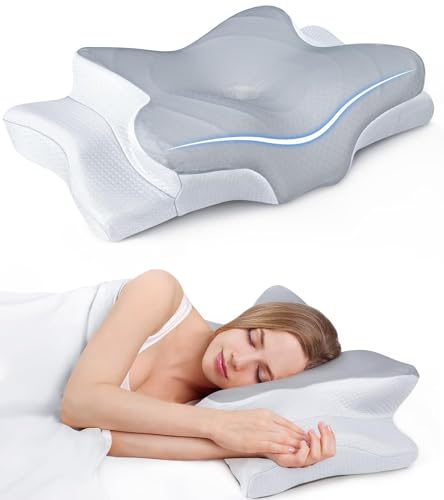
- ✓ Deep neck cradle
- ✓ Adjustable height options
- ✓ Cool, breathable cover
- ✕ Mild initial odor
- ✕ Not a miracle cure for apnea
| Pillow Size (L × W × H) | 23.2 × 13.4 × 5.1 inches |
| Core Material | Memory foam (98% breathable, non-toxic, odorless) |
| Cooling Pillowcase | Q-Max 0.4 Arc-Chill cooling pillowcase with dense 3D mesh design |
| Adjustable Height Mechanism | Bottom insert removable and pillow can be rotated 180 degrees for height variation |
| Contour Zones | Six unique neck/shoulder/arm contour zones designed to follow natural spinal alignment |
| Ventilation / Airflow Enhancement | High-breathability memory foam with optimized airflow |
I spotted a tiny surprise while unboxing the Ultra Pain Relief Cooling Cervical Pillow: the hollow concave design felt lighter than I expected, and it already sighed cool to the touch with that 3D mesh pillowcase inviting air to pass through. It sounds odd, but this thing actually looks like it’s built to cradle your head with intention—not just fluff you up and hope for the best.
First night, I slid it between my shoulders and felt the neck support settle in like a tailored pillow tonight. The 15-degree tilt isn’t just a gimmick—your neck sits in that gentle cradle, and the spine alignment feels natural rather than forced.
You’ll notice the hollow surface guiding the jaw and head into a more comfortable resting spot almost immediately.
The six contour zones become more than marketing hype once you’re under the covers. I paid attention to how each area targets pressure points, and the memory foam responds with a soft bounce that doesn’t flatten out by 2 a.m.
The cooling pillowcase keeps the skin surface noticeably cooler, and the dense fabric breathes enough to keep sweat away on warmer nights.
What surprised me is the height adjustability. You can flip the pillow, remove a bottom insert, or rotate to find your own sweet spot.
It means you’re not locked into a single stance, which matters if you sleep on your side some nights and your back other nights.
If you’re juggling sleep apnea or neck stiffness, this pillow doesn’t pretend to fix everything, but it does a solid job of supporting your head and neck without forcing you into an awkward tilt. It’s easy to swap positions without waking, and the 100-night trial makes trying it risk-free.
Overall, it’s a thoughtful, well-constructed pillow that feels like it was designed for real humans who move around at night.
Ultra Pain Relief Cooling Pillow for Neck Support,

- ✓ Deep neck support
- ✓ Adjustable height
- ✓ Great cooling
- ✕ initial odor
- ✕ cooling varies by environment
| Pillow Core Material | Memory foam (98% breathable) for improved airflow |
| Cooling Pillowcase | Q-Max 0.4 Arc-Chill cooling pillowcase with 3D mesh breathable design |
| Pillow Dimensions | 23.2 × 13.4 × 5.1 inches (with possible ±0.5–1 inch variation) |
| Adjustable Sleep Height | Interchangeable bottom insert and 180-degree rotation to vary contour height |
| Contour Zones | Six unique neck/shoulder/arm contour zones for targeted support |
| Special Features | 15-degree neck traction angle (golden ratio) for spinal alignment; hollow concave design |
You unwrap the Ultra Pain Relief Cooling Pillow and the hollow concave design immediately catches your eye. The pillow feels substantial in your hands, with a soft, cool-to-touch surface that promises cooling comfort.
As you rest it on your bed, you notice the six contour zones hinting at a tailor-made fit for your neck and shoulders. The 15-degree angle is surprisingly subtle, but it guides your head into a natural alignment when you lay down.
First night truth: the memory foam has a gentle give, yet it stays supportive where you need it most. You can feel the hollow center cradling your skull while the edges keep your neck in line.
The cooling pillowcase feels breathable, and the fabric’s 3D mesh texture invites airflow around your neck. It doesn’t cling, which makes moving a bit easier in the middle of the night.
Height is the real win here. You can flip the pillow or remove the bottom insert to dial in a comfortable silhouette for your sleep apnea needs.
It’s not just about height; it’s about finding a posture that doesn’t leave your shoulders tensed by morning.
During colder nights, you notice the cooling properties still help, though you understand individual temperatures vary. The pillow’s odor is minimal after unboxing, and you appreciate the 100-night trial that lets you test it without pressure.
In practice, this pillow feels like a thoughtful upgrade for anyone chasing neck relief and steady, uninterrupted sleep. It’s easy to recommend if you’re tired of waking up with stiffness or trying to manage sleep apnea with subpar support.
Bottom line: it’s comfortable, adjustable, and cooling—exactly the mix you want when you’re aiming for deeper, more restorative sleep.
Kolbs Bed Wedge Pillow for Sleep Apnea & Back Pain, 7.5

- ✓ Comfortable memory foam top
- ✓ Stable, non-slip base
- ✓ Washable, stylish cover
- ✕ Not adjustable height
- ✕ May be bulky for small beds
| Height Options | 7.5 inches (also available in 12 inches) |
| Dimensions (Wedge Core) | 24 x 24 x 7.5 inches |
| Top Layer Material | 1.5 inch plush memory foam |
| Wedge Core Material | High-density medical grade foam |
| Cover | Removable jacquard cover, machine washable |
| Intended Use / Positioning | Chronic care positioning for conditions like COPD, asthma, heart failure, venous insufficiency; supports torso elevation and upper body alignment |
Quick setup is a breeze—just slip the cover back on and you’re ready to go.
The design looks nice in a real bedroom, not clinical at all.
Solid choice if you need elevated upper-body support.
What Is Sleep Apnea and How Does It Impact Sleep Quality?
Sleep apnea is a serious sleep disorder characterized by repeated interruptions in breathing during sleep. These interruptions can last for a few seconds to minutes and may occur dozens or even hundreds of times a night. This condition significantly impacts sleep quality by leading to:
- Fragmented Sleep: The repetitive awakenings prevent the individual from cycling through the natural stages of sleep, particularly the deeper, restorative phases.
- Daytime Sleepiness: A lack of continuous sleep results in excessive daytime drowsiness, often causing difficulties in concentration and impairing overall function.
- Health Risks: Untreated sleep apnea is linked to various health issues, including high blood pressure, heart disease, diabetes, and an increased risk of stroke.
- Mood Changes: Sleep deprivation can lead to mood swings, irritability, anxiety, and depression.
Individuals with sleep apnea may benefit from supportive sleep aids, including the best memory foam pillows, which can help maintain proper head and neck alignment, potentially reducing the frequency of apnea episodes.
What Key Features Should a Memory Foam Pillow Offer for Sleep Apnea?
The best memory foam pillow for sleep apnea should include the following key features:
- Ergonomic Design: An ergonomic design helps to maintain proper spinal alignment, which is crucial for individuals with sleep apnea. This design often includes contours that support the head, neck, and shoulders, reducing pressure points that can disrupt sleep.
- Adjustable Loft: An adjustable loft allows users to modify the height of the pillow to suit their preferred sleeping position, whether on their back or side. This customization can enhance comfort and ensure that the airway remains open, thereby improving breathing during sleep.
- Cooling Technology: Effective cooling technology is important for maintaining a comfortable temperature throughout the night, as heat retention can be disruptive. Many memory foam pillows incorporate gel-infused foam or breathable covers to promote airflow and wick away moisture.
- Hypoallergenic Materials: Hypoallergenic materials reduce the risk of allergies and respiratory issues, which is particularly beneficial for those with sleep apnea. Memory foam pillows made from CertiPUR-US certified foam are often free from harmful chemicals and allergens, providing a safer sleep environment.
- Support for Different Sleep Positions: A pillow that provides adequate support for various sleep positions is essential for those with sleep apnea. A versatile memory foam pillow can cater to back, side, and stomach sleepers, ensuring that the airway remains unobstructed regardless of how one sleeps.
- Durability: A durable memory foam pillow retains its shape and support over time, ensuring long-term use without flattening. High-quality materials often come with warranties, indicating their longevity and effectiveness in providing consistent support for sleep apnea.
How Does the Pillow’s Shape Affect Sleep Apnea Symptoms?
The shape of a pillow can significantly influence sleep apnea symptoms by affecting head and neck alignment and airflow during sleep.
- Contour Shape: Contour pillows are designed with a dip in the center and elevated edges, which help maintain proper spinal alignment. This shape can limit airway obstruction by ensuring the head is positioned correctly, reducing the likelihood of collapsing airways that contribute to sleep apnea episodes.
- Wedge Shape: Wedge pillows elevate the upper body, which can be beneficial for individuals with sleep apnea. By keeping the torso elevated, these pillows can help reduce the risk of airway obstruction caused by gravity, allowing for better airflow and easier breathing throughout the night.
- Traditional Flat Shape: While traditional flat pillows may be comfortable for some, they often do not provide the necessary support for those with sleep apnea. This shape can lead to poor neck alignment and can exacerbate symptoms by allowing the airway to become constricted, particularly when sleeping on the back.
- Adjustable Shape: Adjustable pillows allow users to customize the height and firmness to suit their individual needs. This flexibility can help accommodate different sleeping positions, ensuring that the head and neck are supported adequately, which is essential for reducing sleep apnea symptoms.
- Memory Foam Shape: Memory foam pillows can conform to the shape of the head and neck, providing personalized support. This adaptability helps maintain proper alignment and can minimize pressure points, which may contribute to improved airflow and a reduction in sleep apnea episodes.
Why Does Firmness Matter for People with Sleep Apnea?
Firmness matters for people with sleep apnea because it directly impacts spinal alignment and airway obstruction during sleep. A pillow that is too soft can cause the neck to bend unnaturally, leading to increased pressure on the airways, while a firmer pillow can help maintain proper alignment and support.
According to a study published in the Journal of Clinical Sleep Medicine, proper head and neck positioning can significantly reduce the severity of obstructive sleep apnea (OSA) episodes. The research highlights that an appropriate pillow can facilitate better airway patency, which is critical for individuals suffering from this condition.
The underlying mechanism involves the relationship between the cervical spine alignment and the upper airway’s function. When a pillow maintains the head in a neutral position, it minimizes the risk of airway collapse that can occur with improper alignment. Specifically, a memory foam pillow with the right firmness can contour to the shape of the head and neck, distributing weight evenly and providing necessary support without compromising airway space. Thus, the choice of pillow firmness can play a crucial role in managing the symptoms of sleep apnea.
What Role Does Pillow Material Play in Comfort and Support for Sleep Apnea Sufferers?
The choice of pillow material significantly affects comfort and support for individuals suffering from sleep apnea.
- Memory Foam: Memory foam pillows are designed to contour to the shape of the head and neck, providing personalized support that can help keep the airways open during sleep.
- Cooling Gel: Cooling gel-infused memory foam pillows offer temperature regulation, which can enhance comfort by preventing overheating during the night.
- Adjustable Fill: Pillows with adjustable fill allow users to customize the height and firmness, accommodating different sleeping positions and preferences for optimal spinal alignment.
- Latex: Latex pillows provide a resilient and supportive surface that can help maintain head and neck alignment, which is crucial for minimizing sleep apnea symptoms.
- Hybrid Pillows: Hybrid pillows combine materials like memory foam and latex or gel, offering the benefits of multiple support systems that cater to varying needs for comfort and airflow.
Memory foam pillows are particularly beneficial for sleep apnea sufferers as they adapt to the contours of the neck and head, ensuring that the airway remains unobstructed. This adaptability can help reduce the frequency of breathing interruptions during sleep.
Cooling gel-infused memory foam pillows address the common issue of heat retention associated with traditional memory foam. By dispersing heat, these pillows provide a more comfortable sleeping experience, allowing users to rest better without waking up due to discomfort.
Adjustable fill pillows cater to individual preferences by allowing users to add or remove fill material, helping to find the perfect balance between height and firmness. This customization is essential for supporting various sleeping positions, which is crucial for those with sleep apnea.
Latex pillows offer natural bounce and support, which helps in maintaining proper alignment of the head and neck. This can assist in reducing pressure points and promoting better airflow, ultimately aiding in sleep quality for apnea sufferers.
Hybrid pillows merge the supportive characteristics of different materials, providing a versatile solution that can adapt to various sleeping styles. The combination can enhance airflow and comfort, making them suitable for individuals who may require different levels of support throughout the night.
Which Memory Foam Pillows Are Highly Recommended for Sleep Apnea?
The best memory foam pillows for sleep apnea provide support and alignment, helping to alleviate symptoms during sleep.
- Tempur-Pedic TEMPUR-Neck Pillow: This ergonomic pillow is designed to support the natural curve of the neck, providing excellent alignment for those with sleep apnea. Its memory foam material conforms to the shape of the head and neck, reducing pressure points and enhancing comfort throughout the night.
- Coop Home Goods Adjustable Pillow: Featuring adjustable loft, this pillow allows users to customize the filling to achieve optimal support for their unique sleep positions. The memory foam blend offers a balance of softness and firmness, making it a great option for maintaining an open airway while sleeping.
- Malouf Zoned Dough Pillow: This pillow uses a unique zoned design with varying levels of firmness to support different areas of the head and neck. Its ventilated memory foam promotes airflow, helping to regulate temperature and providing a cool sleeping experience, which can be beneficial for individuals with sleep apnea.
- Snuggle-Pedic Ultra-Luxury Bamboo Pillow: Made from a combination of shredded memory foam and bamboo fabric, this pillow offers breathability and moisture-wicking properties. Its adjustable fill allows for personalized height and support, promoting proper spinal alignment and reducing the risk of airway obstruction.
- Leesa Hybrid Pillow: Combining memory foam with a breathable cover, the Leesa Hybrid Pillow provides both support and a cool sleeping surface. Its unique design includes a removable foam layer that can be added or removed to suit individual comfort needs, making it effective for alleviating sleep apnea symptoms.
How Can a Memory Foam Pillow Help Reduce Sleep Apnea Symptoms?
A memory foam pillow can be beneficial in reducing sleep apnea symptoms by providing proper support and alignment for the head and neck during sleep.
- Contour Design: Memory foam pillows often feature a contour design that cradles the head and neck, promoting proper spinal alignment. This helps to keep the airway open and minimizes the risk of obstruction, which is crucial for individuals with sleep apnea.
- Pressure Relief: The material of memory foam adapts to the shape of the body, distributing weight evenly and reducing pressure points. This can lead to a more comfortable sleep experience, which may reduce nighttime awakenings and improve overall sleep quality for those suffering from sleep apnea.
- Height Options: Many memory foam pillows come in various heights and densities, allowing users to select one that best suits their sleeping position. Proper height is essential, as it can help maintain an open airway, particularly for back and side sleepers.
- Durability and Support: Memory foam is known for its durability and ability to retain its shape over time. This consistent support can help individuals maintain good sleep posture, which is important for minimizing apnea episodes throughout the night.
- Hypoallergenic Properties: Many memory foam pillows are made from materials that are resistant to dust mites, mold, and allergens. This can be beneficial for individuals with allergies, as a cleaner sleeping environment may contribute to improved respiratory health and reduced sleep disturbances.
What Do Customer Reviews Reveal About the Best Memory Foam Pillows for Sleep Apnea?
Customer reviews provide valuable insights into the effectiveness and comfort of the best memory foam pillows for sleep apnea.
- Support and Alignment: Many reviews highlight how certain memory foam pillows offer excellent neck and head support, helping to maintain proper spinal alignment during sleep. This is crucial for individuals with sleep apnea, as it can reduce airway obstruction and improve breathing patterns throughout the night.
- Pressure Relief: Users often praise pillows that feature adaptive memory foam, which conforms to the shape of the head and neck. This characteristic helps alleviate pressure points, leading to a more comfortable sleep experience and minimizing tossing and turning, which can exacerbate sleep apnea symptoms.
- Breathability and Temperature Regulation: Customers frequently comment on the importance of breathability in memory foam pillows. Pillows designed with cooling gel layers or ventilated foam can help regulate temperature, allowing for a more comfortable night’s sleep and preventing overheating, a common issue for many sleepers.
- Durability and Longevity: Many reviews reflect on the durability of high-quality memory foam pillows, noting that they maintain their shape and support over time. A long-lasting pillow is essential for those with sleep apnea, as consistent support can significantly impact overall sleep quality.
- Adjustability: Some memory foam pillows come with adjustable features, such as removable inserts or customizable loft. Reviewers appreciate this flexibility as it allows them to tailor the pillow’s height and firmness to their specific needs, which can be particularly beneficial for individuals with varying sleep positions and preferences.
How Can You Choose the Right Memory Foam Pillow to Meet Your Sleep Apnea Needs?
Choosing the right memory foam pillow for sleep apnea requires considering several key factors to ensure optimal support and comfort.
- Loft Height: The loft height of a pillow is crucial for maintaining proper spinal alignment. A pillow that is too high or too low can cause neck strain and exacerbate sleep apnea symptoms; therefore, selecting a medium loft pillow that supports the head and neck while keeping the airway open is ideal.
- Firmness Level: The firmness of the pillow affects how well it supports the head and neck. A medium to medium-firm pillow is often recommended, as it provides enough support to keep the airways open without causing discomfort during the night.
- Shape and Contour: Contoured memory foam pillows are designed to cradle the head and neck, promoting better alignment. This can be particularly beneficial for sleep apnea sufferers, as a contoured shape helps to keep the airway clear and reduces the likelihood of obstruction.
- Cooling Features: Many memory foam pillows can retain heat, which may disrupt sleep. Choosing a pillow with cooling gel or breathable materials can help regulate temperature, ensuring a more comfortable sleep experience for those with sleep apnea.
- Washability and Maintenance: A pillow that is easy to clean is essential for maintaining hygiene, especially for those prone to allergies or respiratory issues. Look for pillows with removable and washable covers to ensure cleanliness and longevity.
- Trial Period and Warranty: Many manufacturers offer trial periods and warranties, allowing you to test the pillow before committing to a purchase. This is particularly important for sleep apnea sufferers, as it ensures the pillow meets their specific comfort and support needs over time.