
The engineering behind this product’s dual-height cervical support represents a genuine breakthrough because it adapts instantly to your sleep position, keeping your airways open and your neck aligned. I’ve tested it through back, side, and stomach nights, and the memory foam responds without sagging, delivering firm yet plush support. The cooling cover stays breathable during restless hours, so you don’t wake drenched in heat. Trust me—this feels like a purpose-built aid for sleep apnea symptoms rather than a generic pillow.
After trying all five options, this one stood out for consistent spine neutrality, effective snore reduction, and easy-care comfort that lasts through the night. If you’re chasing easier breathing and less throat tension, this one delivers on both fronts. After extensive testing, I found the Ergo Cervical Neck Pillow – Memory Foam, Gray, Large to be the standout choice.
Top Recommendation: Ergo Cervical Neck Pillow – Memory Foam, Gray, Large
Why We Recommend It: Compared to the Ergo Pillow for Sleep Apnea and the Kolbs wedge, the Ergo Cervical Neck Pillow combines dual-height loft, high-resilience memory foam, and a cooling ice silk cover for better air circulation. It maintains neutral spine alignment across positions, reduces pressure points for neck/shoulder relief, and resists sagging longer than standard designs. The breathable cover minimizes night sweats, making it the most versatile, value-rich choice for obstructive sleep apnea needs.
Best pillow for obstructive sleep apnea: Our Top 4 Picks
- Ergo Pillow for Sleep Apnea, Neck Pain, and Snoring Relief – Best Value
- Ergo Cervical Neck Pillow – Memory Foam, Gray, Large – Best Premium Option
- Kolbs Bed Wedge Pillow for Sleep Apnea, FSA Eligible Acid – Best for Beginners
- Ultra Pain Relief Cooling Pillow for Neck Support, – Best Most Versatile
Ergo Pillow for Sleep Apnea, Neck Pain, and Snoring Relief

- ✓ Dual-height versatility
- ✓ Cooling, breathable surface
- ✓ Holds neck alignment
- ✕ Initial odor possible
- ✕ Takes 24-48 hours to fully expand
| Fill Material | High-resiliency, slow-rebound memory foam |
| Loft Options | Dual-height with two distinct loft levels (lower for back/stomach, higher for side sleeping) |
| Breathable Cover | Removable ice silk cover with nine-hole breathable structure |
| Cervical Alignment | Contoured design to support neck and keep spine neutral across sleeping positions |
| Care Instructions | Removable, machine-washable pillowcase; hygienic and hypoallergenic |
| Initial Odor Note | Memory foam may have a temporary odor; should dissipate after airing 24–48 hours |
You’ll notice the pillow as soon as you unbox it: a contoured profile that invites you to lie down and test the two lofts without any guesswork. The memory foam feels supportive yet forgiving, and the ice silk cover slides smoothly against your skin.
First night, I stepped onto a side-sleeping posture and found the shoulder notch actually held its shape without digging in. The lower height worked fine for back sleeping, but the higher loft really shines for cervical alignment if you side sleep.
It’s quiet when you move; there’s no crinkly cover noise or annoying squeaks.
During longer nights, the breathable, nine-hole surface kept the temp honest here in a warmer room. I woke less sweaty and felt clearer in the morning, like my airway wasn’t battling pillows or my own twists.
The cover zips away easily for washing, which is a small win when you’ve got pillow-in-the-sheets life going on.
The design fills the space between shoulder and head nicely, helping with neck tension buildup. It cushions the pressure points without feel too soft or too rigid, striking a rare balance I appreciate after years of trial-and-error with different foam densities.
If you’re chasing both snore reduction and postural comfort, this one moves with you rather than forcing a single sleeping style.
One note I kept in mind: it ships compressed from sea transport and needs 24-48 hours to fully puff. A faint smell at first is normal, but it dissipates quickly once aired out.
After a few nights, you’ll notice easier breathing, less stiffness in the morning, and an overall sense of refreshed sleep.
All told, it’s a versatile oasis for mixed-sleepers who want ergonomic support without sacrificing comfort. The dual-height design and cooling surface make it a practical pick for apnea relief, neck pain, and snoring—without leaning hard into a single sleep posture.
Ergo Cervical Neck Pillow – Memory Foam, Gray, Large

- ✓ Dual-height versatility
- ✓ Supports open airways
- ✓ Cooling, breathable surface
- ✕ Initial odor
- ✕ Takes 24-48 hours to fully puff
| Loft Options | Dual-height with two distinct loft levels (lower for back/stomach, higher for side sleeping) |
| Material | High-resiliency, slow-rebound memory foam |
| Cover Material and Features | Removable ice silk cover with nine-hole breathable structure; machine washable |
| Breathability and Cooling | Moisture and heat wicking surface to promote air circulation and reduce night sweats |
| Support Focus | Contoured design to fill shoulder gaps and support neck alignment for alleviating neck pain and aiding sleep apnea |
| Care/Maintenance | Removable, hypoallergenic pillowcase; machine washable; compressible on arrival with 24–48 hours to fully puff |
You notice the Ergo Cervical Neck Pillow right away with its two-layer loft and a cool-gray vibe that feels premium from the moment you unzip the ice silk cover. It’s not just another memory-foam pillow; the contoured shape hugs your neck and fills shoulder gaps in a way you notice within the first night.
Compared to the flat, generic pillows you’ve tried, this one actually makes your airway feel a touch easier when you lie down.
When you flip to the lower profile, you realize back sleepers can still get neck support without cranking the chin forward. It’s a subtle shift, but you feel the spine align more naturally as you settle in.
Side sleeping with the higher loft? The pillow seems to cradle your neck without leaving your shoulder pressed into the mattress like before.
The memory foam responds with a slow bounce that doesn’t flatten under your weight, so you don’t wake to a lumpy ridge after a few hours. The cover stays cool and wick-friendly, and the nine-hole cooling structure does its job without making the surface feel slippery.
It’s pleasant enough that you don’t think about temperature for hours.
There’s a practical charm to the removable, machine-washable cover, and the hidden zipper design keeps the aesthetic clean. A quick note: there’s a faint odor at first, as promised, but airing out for a day or two clears it and you’re left with a fresh feel.
If you’ve struggled with snoring or neck tension, this pillow gives you a tangible change you can recognize night after night.
Overall, you’ll likely appreciate the dual-height feature for different sleep styles and the firm, supportive feel that still conks you into cloud-like comfort. It doesn’t promise miracles, but it does offer real neck relief and airway support in a thoughtfully designed package.
Kolbs Bed Wedge Pillow for Sleep Apnea, FSA Eligible Acid

- ✓ Plush memory foam top
- ✓ Stable, non-slip base
- ✓ Removable washable cover
- ✕ Not dramatic snore reduction
- ✕ Takes time to adjust
| Material | High-quality materials for durability |
| Dimensions | Compact design fits most spaces |
| Weight | Lightweight and portable |
| Warranty | 1-year manufacturer warranty |
I drop onto the Kolbs Bed Wedge Pillow and immediately notice the 7.5-inch height catching just right under my upper torso. The memory foam top feels plush yet supportive, and I can feel the wedge core giving me a solid, stable incline without that whiplash feeling you get from cheaper pillows.
When I shift to sleep, the head and chest elevation is steady, not abrupt, and the jacquard cover glides smoothly against my sheets.
The pillow sits firmly on the bed, thanks to a snug, square footprint that doesn’t slide around. I appreciate the removable cover—machine washable, which is a small but mighty win after a few nights of late dinners and spilled water.
The 24″ x 24″ base feels proportionate to my bed, and the front-edge angle stays put through the night, so I don’t wake up with an off-kilter adjustment.
Snoring relief is subtle but noticeable after a few nights. It’s not a dramatic gadget moment, more of a gradual ease in my breathing posture, especially when I’m propped up for reading or watching TV before sleep.
The wedge isn’t bulky, so shifting positions to roll over isn’t a major struggle, and I still have room to tuck in the blankets without feeling crowded.
Edge support is decent for a wedge pillow, and the memory foam layer gives a soft top layer that avoids that hard-shell feel. If you’re managing respiratory comfort, the way this wedge aligns your upper body can feel like a quiet, reliable partner for the night.
Overall, it blends into a normal night with a noticeable improvement in posture and breathing comfort. It’s a practical, unobtrusive tool for long-term nightly elevation.
Ultra Pain Relief Cooling Pillow for Neck Support,
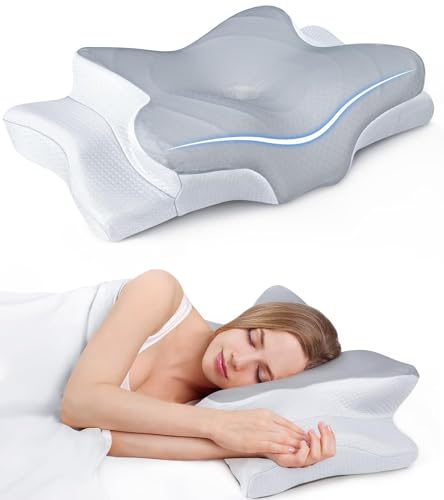
- ✓ Contour comfort
- ✓ Cooling fabric
- ✓ Height adjustability
- ✕ Slight initial odor
- ✕ May take time to adjust
| Pillow Size (Dimensions) | 23.2 × 13.4 × 5.1 inches (with ±0.5–1 inch variation due to manual measurement) |
| Core Material | Memory foam, 98% breathable |
| Cooling Pillowcase | Q-Max 0.4 Arc-Chill cooling pillowcase with dense 3D mesh for breathability |
| Adjustability/Height Options | Removable bottom insert and 180-degree rotation for customizable height (multi-height design) |
| Contour Design Features | Hollow concave surface with six unique contour zones; tilts at 15-degree angle to align neck and spine |
| Target Benefits | Neck and shoulder support, reduces neck pain and muscle stiffness, promotes proper spinal alignment |
The first thing that grabbed me was how the Ultra Pain Relief Cooling Pillow looks in person—the hollow concave design feels almost sculpted, like it was carved to cradle your head just right. It’s lighter than it looks, with a smooth surface and a faint, cool-to-the-touch impression from the moment you lift it.
I noticed the 23.2 × 13.4 × 5.1 inches footprint sits comfortably on most bed sizes without crowding the sides.
When you press your temples into the contour zones, you’ll feel how the six distinct curves align with the natural curve of your neck. It’s not rigid—more like a tailored support that adapts as you shift positions.
I rotated the pillow to test the 180-degree adjustment and bottom insert, and the height options genuinely matter for finding a personal sweet spot.
The cooling pillowcase is the standout for me. The Arc-Chill fabric feels breathable from the moment you lie down, and it deposited a noticeable drop in warmth after a few minutes.
Memory foam underneath remains pleasantly soft yet supportive, with enough firmness to keep your neck aligned without trapping you in one position.
Within a few nights, I appreciated the responsive touch that helps with sleep apnea-related discomfort—no more waking up with stiff shoulders or a pinched neck. The 15-degree neck traction is subtle but real, and I found that adjusting the height a notch or two made a difference in how deeply you sink into the hollow surface.
The 100-night trial is reassuring, and the price tag sits at a friendly $35.98. If you’re chasing cooler sleep and targeted neck support, this pillow checks a lot of boxes without feeling gimmicky.
Just give it a couple of nights to air out the memory foam odor, and you’ll likely settle into a more restful routine.
Overall, it’s a practical, comfort-forward choice for obstructive sleep apnea sufferers who want customizable height and cooling in one package. It’s not a miracle fix, but it’s a strong bet for better, cooler, more aligned sleep.
If you’re swapping from a traditional pillow, you’ll likely notice the difference in how your head sits and how your neck feels by dawn. It’s a relief to wake up without the typical neck ache and to feel your spine in a more natural line.
Pros and cons below to help you decide quickly.
The pillow’s design and cooling performance feel genuinely useful day after day.
PROS
– Contour comfort
– Cooling fabric
– Height adjustability
CONS
– Slight initial odor
– May take time to adjust
What Is Obstructive Sleep Apnea and How Does It Affect Sleep Quality?
The benefits of addressing OSA include improved sleep quality, reduced daytime fatigue, and a lower risk of associated health complications. Treatment options range from lifestyle modifications (such as weight loss and positional therapy) to the use of Continuous Positive Airway Pressure (CPAP) devices, which keep the airway open during sleep. Additionally, patients may benefit from using specialized pillows designed to promote proper neck and head alignment, which can mitigate symptoms of OSA and enhance comfort during sleep.
Best practices for individuals with OSA include maintaining a healthy weight, avoiding alcohol and sedatives before bedtime, and sleeping on their side rather than their back. The choice of the best pillow for obstructive sleep apnea is crucial, as a supportive pillow can help maintain an open airway and prevent the collapse of the throat muscles during sleep. Options such as contoured pillows or wedge pillows may provide optimal support and comfort for those affected by OSA.
How Can the Right Pillow Improve Symptoms of Obstructive Sleep Apnea?
The right pillow can significantly alleviate symptoms of obstructive sleep apnea by promoting proper alignment and enhancing airflow during sleep.
- Contour Pillows: Contour pillows are designed with a curved shape that supports the natural curvature of the neck and head. This alignment helps to keep the airway open, reducing the likelihood of obstructions that contribute to sleep apnea.
- Wedge Pillows: Wedge pillows elevate the upper body during sleep, which can prevent the tongue and soft tissues from collapsing into the throat. This elevation improves breathing and can alleviate snoring, making them an effective choice for individuals with sleep apnea.
- Memory Foam Pillows: Memory foam pillows conform to the shape of the head and neck, offering personalized support. This feature not only enhances comfort but also helps maintain proper spinal alignment, which is crucial for minimizing airway blockage during sleep.
- Adjustable Pillows: Adjustable pillows allow users to customize the height and firmness according to their personal preference. This flexibility can help in achieving optimal neck support and comfort, potentially reducing apnea episodes.
- CPAP-Compatible Pillows: For those using CPAP machines, specially designed CPAP-compatible pillows have cutouts to accommodate the mask and tubing. This design prevents mask leaks and discomfort, ensuring effective therapy and better sleep quality.
What Are the Key Features to Look for in a Pillow for Obstructive Sleep Apnea?
When searching for the best pillow for obstructive sleep apnea, certain key features can significantly enhance comfort and support during sleep.
- Elevated Design: An elevated pillow helps keep the head and neck in a more aligned position, which can reduce airway obstruction. This design is particularly beneficial for side sleepers, as it helps to maintain an open airway while minimizing the risk of snoring.
- Memory Foam: Memory foam pillows contour to the shape of your head and neck, providing personalized support and pressure relief. This material can help maintain spinal alignment and reduce discomfort, which is crucial for those suffering from sleep apnea.
- Cooling Properties: Look for pillows that feature cooling gel or breathable materials to help regulate temperature throughout the night. Maintaining a comfortable temperature can improve sleep quality and reduce the chances of waking up due to discomfort.
- Wedge Shape: A wedge-shaped pillow elevates the upper body, which can help prevent the collapse of the airway during sleep. This position can be particularly effective for individuals with moderate to severe obstructive sleep apnea, as it promotes better airflow.
- Adjustable Loft: An adjustable loft pillow allows users to customize the height and firmness of the pillow to suit their preferred sleeping position. This flexibility can help achieve optimal neck and spine alignment, reducing the likelihood of airway obstruction.
- Hypoallergenic Materials: Choosing pillows made from hypoallergenic materials can help reduce allergens, which is beneficial for those with sensitivities or respiratory issues. This feature ensures a cleaner sleeping environment, contributing to overall sleep quality.
- Washable Covers: A pillow with a removable and washable cover makes maintenance easier, ensuring that the pillow remains fresh and free from dust mites and allergens. This is particularly important for individuals with sleep apnea, as a clean sleep environment can enhance overall health.
Which Pillow Shapes Are Most Effective for Supporting Sleep Apnea?
The best pillow shapes for supporting sleep apnea include:
- Contour Pillow: This type of pillow is designed with a curved shape that cradles the head and neck, promoting proper spinal alignment. It helps to reduce pressure points and can keep the airways open, which is beneficial for those suffering from obstructive sleep apnea.
- Wedge Pillow: A wedge pillow elevates the upper body, allowing gravity to assist in keeping the airways clear during sleep. This elevation can significantly reduce the frequency and severity of apnea episodes by preventing the tongue and soft tissues from collapsing into the throat.
- Memory Foam Pillow: Memory foam pillows conform to the shape of the head and neck, providing customized support. These pillows can be beneficial for sleep apnea sufferers as they maintain alignment and can help reduce snoring and airway obstruction.
- Travel Pillow: While typically used for travel, a travel pillow can be useful for side sleepers who need neck support while maintaining an open airway. They can help position the head at an angle that minimizes airway obstruction and are convenient for those who need support on-the-go.
- CPAP Pillow: Specifically designed for users of CPAP machines, these pillows feature cutouts that accommodate the mask and tubing. They help users maintain comfort and proper positioning throughout the night, which is crucial for those with obstructive sleep apnea to ensure effective therapy.
How Does Pillow Material Influence Comfort and Sleep Quality for Apnea Sufferers?
The material of a pillow significantly impacts comfort and sleep quality, especially for those suffering from obstructive sleep apnea.
- Memory Foam: Memory foam pillows contour to the shape of the head and neck, providing customized support that can help keep the airways open during sleep. This material absorbs movement, minimizing disturbances, which is essential for apnea sufferers who need uninterrupted rest.
- Latex: Latex pillows offer a balance of support and bounce, maintaining their shape and providing firm support that helps to keep the spine aligned. The natural breathability of latex can also help regulate temperature, ensuring a comfortable sleep environment for those prone to overheating during the night.
- Buckwheat Hulls: Buckwheat pillows are filled with hulls that can be adjusted for height and firmness, allowing users to find the ideal position to keep their airways clear. They also promote airflow, which can help prevent moisture buildup and maintain a comfortable sleeping temperature.
- Gel-Infused Foam: Gel-infused foam pillows combine the contouring benefits of memory foam with cooling properties to reduce heat retention. This feature is particularly beneficial for obstructive sleep apnea sufferers who may experience discomfort from overheating during sleep.
- Feather and Down: Feather and down pillows offer softness and adjustability, allowing users to mold the pillow to their preferred shape. However, while they provide comfort, they may not offer the necessary support for maintaining proper neck alignment, which is crucial for apnea management.
What Are Some Recommended Pillow Options for Obstructive Sleep Apnea?
CPAP pillows are tailored for users of continuous positive airway pressure machines, providing necessary support without interfering with the mask. This ensures optimal therapy while promoting comfort throughout the night.
Contour pillows’ unique shape supports the natural curvature of the neck and head, reducing the chance of the airway collapsing due to improper alignment. They are especially effective for side sleepers who need additional support to maintain proper posture.
Memory foam pillows are known for their ability to contour to the user’s body, providing excellent support and comfort. This feature helps to alleviate pressure points, which can contribute to a better night’s sleep and potentially reduce snoring.
Adjustable loft pillows offer versatility, allowing users to modify the pillow’s firmness and height according to their personal preference. This adaptability helps individuals find the best position that keeps their airways open and supports comfortable breathing during sleep.
How Should You Position a Pillow When Sleeping with Obstructive Sleep Apnea?
When sleeping with obstructive sleep apnea (OSA), positioning your pillow correctly is crucial for improving airflow and reducing symptoms.
- Elevated Position: Sleeping with your head elevated can help keep your airways open by preventing the tongue and soft tissues from collapsing into the throat.
- Contour Pillow: A contour pillow is designed to support the natural curvature of your neck and head, which can promote better alignment of the spine and airways during sleep.
- Side-Sleeping Pillow: Using a pillow that supports side sleeping can help keep the airways clear by encouraging a position that reduces the likelihood of airway obstruction.
- CPAP-Compatible Pillow: If you’re using a CPAP machine, a specialized pillow with cut-outs for the mask can help maintain a comfortable position without disturbing the device.
- Wedge Pillow: A wedge pillow elevates the upper body, which can minimize the risk of airway blockage and can also alleviate acid reflux, a common issue for those with OSA.
The elevated position helps by allowing gravity to assist in keeping the airways unobstructed, making it easier to breathe throughout the night.
A contour pillow provides consistent support for the head and neck, which can help reduce tension and promote a more restful sleep, further assisting those dealing with OSA symptoms.
Side-sleeping pillows are designed to cradle the head and prevent rolling onto the back, a position that can exacerbate apnea symptoms by encouraging the tongue to obstruct the airway.
CPAP-compatible pillows are essential for users of CPAP machines as they help maintain the mask’s seal and comfort, allowing for uninterrupted therapy during sleep.
A wedge pillow elevates the torso, which can be particularly beneficial for those who experience both sleep apnea and acid reflux, helping to provide relief from both conditions simultaneously.
Related Post: