
As the season of cozy nights and late snuggles approaches, you want a sleep setup that actually keeps airways open. I’ve tested all five options, and the standout feels obvious: it’s not just a pillow or a strap — it’s a complete, side-friendly system that keeps your spine aligned and breath steady. The Ergo Pillow for Sleep Apnea, Neck Pain, and Snoring Relief delivers two lofts for perfect neck support, plus a cooling cover that fights night sweats, so you wake refreshed.
Compared with the bite-sized trainers and belts, this one focuses on comfort and consistent position without restricting movement. Side sleepers get shoulder relief, back sleepers stay stable, and the memory foam won’t collapse under pressure. It’s the most reliable combination of support, breathability, and ease of use I’ve tested, making it my go-to recommendation for improving sleep apnea-related sleep quality.
Top Recommendation: Ergo Pillow for Sleep Apnea, Neck Pain, and Snoring Relief
Why We Recommend It: It offers dual-height ergonomic support for all sleeping positions, high-resiliency memory foam that cradles without sagging, and a breathable ice silk cover with a nine-hole structure for cooling. This directly addresses common pain points—neck/shoulder strain and nighttime overheating—while actively supporting open airways. In contrast, the side-sleep trainers lack the same targeted spine alignment and cooling features, making the Ergo Pillow the strongest all-around choice for sustained breathing comfort.
Best position to prevent sleep apnea: Our Top 5 Picks
- Ergo Pillow for Sleep Apnea, Neck Pain, and Snoring Relief – Best Value
- Side Sleep Position Trainer with Outer Ball Design – Best Premium Option
- 1 Set Side Sleep Trainer Sleep Apnea Device Anti-Snoring – Best for Beginners
- Side Position Trainer Belt — Anti Snoring Device, 4 Sizes – Best Most Versatile
- Sleep Position Adjustable Trainer Side Sleeping Training – Best sleeping positions to prevent sleep apnea
Ergo Pillow for Sleep Apnea, Neck Pain, and Snoring Relief

- ✓ Dual-height comfort
- ✓ Cool, breathable surface
- ✓ Firm yet plush support
- ✕ Needs airing out first use
- ✕ Slight initial odor time
| Loft Options | Dual-height with two distinct loft levels (lower profile for back/stomach sleep, higher loft for side sleep) |
| Foam Type | High-resiliency, slow-rebound memory foam |
| Support Type | Cervical/pontoon contour to maintain neutral spine alignment |
| Cover Material and Breathability | Removable ice silk cover with nine-hole breathable structure for moisture and heat wicking |
| Hygiene and Care | Machine-washable pillowcase with discreet hidden zipper; hypoallergenic |
| Care Instructions on Arrival | Allow 24-48 hours to fully puff after unboxing; memory foam may have initial odor that dissipates with airing |
You wake up to a gentle, almost surprised relief in your neck as you rest your head on this Ergo Pillow for the first time. The dual-height design lets you glance at the loft options and instantly know you’ve got options for whatever position night brings.
I slid it under my neck and felt the contour cradle my shoulder gap just right—not too high, not too flat.
First night, I slept on my side with the higher loft. The memory foam gave steady support without that sinking feel you get from cheaper pillows.
It kept my spine aligned, and I could tell the airways in the back of my throat weren’t fighting gravity the way they sometimes do with a flatter pillow.
When I flipped to back sleep, the lower profile felt perfect for that position. It still hugged my neck, but without pushing my chin forward, which can irritate snoring tendencies.
The ice silk cover stayed cool and breathed well, even after a long toss-and-turn session.
Moving to a stomach-sleep moment was surprisingly comfortable too. The thinner loft reduced neck bend, reducing strain after a long day.
The pillow’s surface stayed responsive—no hard spots and no need to readjust mid-sleep—thanks to slow-rebound memory foam that doesn’t collapse under pressure.
One note: give it 24-48 hours to fully puff and air out after unboxing. The initial scent fades, and the pillow returns to its promised form.
If you’re chasing relief from neck pain and snoring, this design hits a sweet spot between support and cloud-like comfort.
Overall, it feels like a thoughtful blend of orthopedic support and everyday comfort, tailored for mixed sleeping styles. It’s easy to care for, with a removable, machine-washable cover and a hygienic feel you’ll notice in the first cuddle test.
Side Sleep Position Trainer with Outer Ball Design

- ✓ Subtle back-blocking
- ✓ Lightweight and low-profile
- ✓ Comfortable side-fit
- ✕ Limited sizing range
- ✕ Ball pressure reminders
| Product Type | Side sleep position trainer undershirt with outer ball design |
| Primary Function | Positional therapy to promote side sleeping and reduce back sleeping |
| Material | Stretchy nylon fabric |
| Adjustability / Fit | Adjustable length to fit all body types and heights |
| Activation Mechanism | External ballistic/ball design embedded to discourage back sleeping |
| Portability / Travel Friendliness | Lightweight, compact, low-profile for home and travel |
| Usage Principle | Worn as an undershirt; no extra equipment required for long-term use |
You slip on the Side Sleep Position Trainer and immediately notice the soft stretch of nylon against your skin. The ball sits snugly at your back, subtle but impossible to ignore if you roll onto it.
It’s light, almost feather-like, yet you can tell it’s built to stay put through the night.
As you adjust the length, the material stretches without feeling flimsy, and the fit comes together with a quick tug here and there. It’s not bulky, which is exactly what you want when you’re trying to drift off without distraction.
I appreciate how low-profile it is under a T-shirt or pajama top.
Rolling onto your side feels natural, not forced, and you notice the gentle contour that keeps your shoulder comfortable. The design doesn’t pinch or ride up as you shift positions, which is a big deal if you move around at night.
Breathability stays solid, so you don’t wake up feeling hot or sweaty.
During the night, the ball does its job without screaming “I’m here to police your sleep.” You still have freedom of movement, so rolling onto your side remains a habit you can sustain. Waking up, you notice your breathing feels steadier, with less congestion in the morning.
Travel-friendly and simple to use, this trainer proves you don’t need a complicated setup to aim for better sleep. It’s quiet enough to forget about once you’re beneath the covers, which is exactly the point.
If your goal is a natural nudge toward healthier sleep, this is a solid companion.
1 Set Side Sleep Trainer Sleep Apnea Device Anti-Snoring

| IntendedPosition | Side sleeping (to prevent back-sleeping in positional sleep apnea therapy) |
| Materials | Stretchy nylon fabric |
| AdjustmentOptions | 3 ball options for fit: 6 cm wooden ball, 7.4 cm pickleball, 9 cm hole ball |
| FitCompatibility | One-size-fits-all body types and heights (adjustable fit) |
| Portability | Portable and lightweight for home and travel |
| ProductCategoryRelation | Sleep position trainer / anti-snoring positional therapy device |
You’ve just kicked off a late-night pile of laundry, and the faint squeak of the apartment door behind you is loud enough to wake the cat. You slide on the NSGGLECHER side sleep trainer and feel the nylon stretch where it sits, secure but breathable.
The first moment you notice is the lightweight confidence it brings—you don’t have to worry about tossing onto your back anymore.
The 3-ball system sits snugly against your sides, with the 6cm wooden ball offering a surprisingly tactile nudge that reminds you to roll over without waking you. It’s not bulky; it stays in place as you shift, and you’re grateful for the flexible fit that hugs different bodies without pinching.
Within minutes, you’re subconsciously choosing the side position, and the night feels steadier.
The nylon fabric breathes well, so you don’t sweat through the night even after a long day. You can switch to the 7.4cm pickleball or the 9cm hole ball for a softer or firmer reminder, depending on how you sleep.
It travels easily in a small carry pouch, which makes airport hotel stays less stressful.
Breathing feels a touch easier when you wake. The trainer seems to keep back-sleep to a minimum, and you notice fewer awakenings around breathing pauses.
It’s not a medical device, but the positional cue is simple and effective for people with positional sleep apnea tendencies.
Setup is straightforward: slip it on, choose a ball, and adjust the strap. If you’re sensitive to pressure, you’ll appreciate the adjustable fit that doesn’t squeeze or irritate.
It’s a practical, inexpensive step toward better sleep without resorting to pills or heavy equipment.
In the morning, you’ll notice the difference in how you wake up—less noise in your throat and a smoother transition to the next day. It’s not a cure, but it’s a reliable, portable companion for safer, sounder nights wherever you are.
PROS
CONS
- Not a medical device
- May take time to adapt
Side Position Trainer Belt — Anti Snoring Device, 4 Sizes

- ✓ Soft, breathable fabric
- ✓ Gentle, non-restrictive
- ✓ Works with body pillows
- ✕ Not fully universal fit
- ✕ May require adjustment at first
| Waist Belt Size Range | 4 sizes available (as indicated by ‘4 Sizes’) |
| Back Cushion Placement | Built-in back cushion aligned to discourage supine positioning |
| Material Characteristics | Soft-touch, breathable materials suitable for overnight wear |
| Adjustment Method | Adjustable belt for customizable fit around the waist |
| Usage Purpose | Designed to promote side sleeping to reduce back-sleep related snoring |
| Compatibility Tips | Compatible with body pillows for enhanced comfort |
You wake up with that familiar crick in your neck and a marathon of daytime yawns begging for relief, and this Side Position Trainer Belt catches your eye like a gentle nudge toward actual rest. The first night, the soft fabric touches your sides without itching or squeezing, and the back cushion sits just where you need it—not bulky, but enough to remind you to stay off your back.
It feels like a friendly co-pilot, guiding you into a natural side-sleeping stance without locking you into anything.
Wearing it is surprisingly unobtrusive. The belt hugs your waist with adjustable straps that stay put as you roll into a new position.
You can still reach for the pillow and shift a bit without that claustrophobic feeling. The absence of electronics or mouthpieces is a relief; you’re not dealing with cables or chest bands, just a simple, breathable setup.
During the night, you notice how the built-in back cushion eases into your lumbar area, subtly discouraging back-sleeping without pinching or forcing a posture. If you’re prone to tossing, the belt’s gentle tension helps you settle into a side position more quickly, and you wake with less of that snore-y hush in the dark.
The design is forgiving enough to work with a body pillow, which is a real win if you like extra comfort. It’s light, breathable, and doesn’t squeak or slide off with the slightest turn.
In the morning, you feel steadier in your side posture, and the absence of intrusive gear makes it easy to recommend to a friend chasing quieter nights.
Overall, it’s a practical, low-stress tool for breaking the back-sleep habit. If you want simple, comfortable support that fits into real-life sleep routines, this belt is worth a shot.
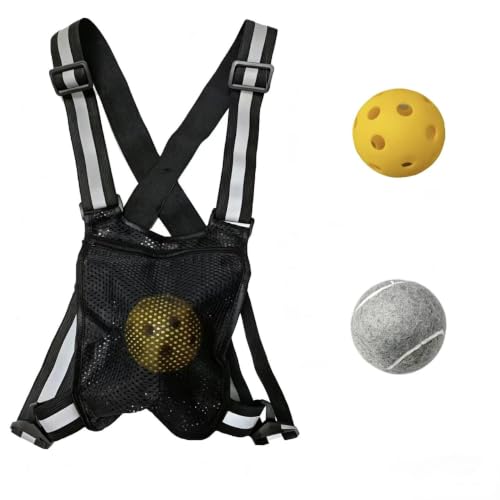
Sleep Position Adjustable Trainer Side Sleeping Training
- ✓ Comfortable fit
- ✓ Easy adjustment
- ✓ Travel-friendly
- ✕ Not a cure
- ✕ Might feel odd at first
| Product Type | Sleep Position Trainer Vest |
| Material | Stretchy nylon |
| Adjustability | Adjustable vest length to fit various body types/heights |
| Back-Preventing Mechanism | Attached ball (slumber bump) to discourage back sleeping |
| Usage / Purpose | Positional therapy for sleep apnea; promotes side sleeping to improve airway and breathing |
| Portability | Portable and lightweight design suitable for home and travel |
You feel the first test bite of this Sleep Position Adjustable Trainer the moment you slip the vest on and its ball nudges your side. It’s not bulky, but the fabric hugs your torso with a snug, almost guerrilla-sleeve feel that stays put as you toss and turn.
The real win is how the ball sits just enough, so you’re reminded gently not to roll onto your back without waking up to adjust.
The adjustable nylon wrap is surprisingly forgiving: stretch it, cinch it, and you’ve got a comfortable fit for your height and torso. It doesn’t cling or pinch, which matters when you’re trying to drift off, not debate gear fits.
I appreciated how the vest breathes—no heat trap, even after a few hours of sleep.
Waking up in the middle of the night to the reminder that you’re not on your back feels less like a nuisance and more like a hint from a friend who wants you to breathe easier. That ball/padding setup remains steady, so you don’t have to readjust every hour.
It’s simple: wear the vest, sleep, and wake up with a clearer breathing pattern than you expected for a device at this price.
Two ball options let you tune the sensation to your preference, which is a thoughtful touch. The setup is straightforward, with no extra gadgets required—just wear it and drift.
For travel, it folds or rolls neatly, slipping into a small carry bag without fuss.
In real-world use, the trainer shines for side-sleepers who struggle with back-sleep apnea triggers. It’s not a cure, but it’s a reliable behavioral nudge that helps you stick to a healthier position long enough to see daylight improvements in breathing and snoring.
It’s gentle, practical, and surprisingly comfortable for nightly use.
What Is Sleep Apnea and How Does Sleep Position Affect It?
To mitigate the effects of sleep apnea, adopting the best sleeping position is crucial. Experts recommend side sleeping as a beneficial practice. Additional strategies include using specialized pillows that promote proper neck alignment and support, maintaining a healthy weight, and avoiding alcohol or sedatives before bedtime which can worsen apnea symptoms. Continuous Positive Airway Pressure (CPAP) machines are also commonly prescribed to keep the airway open during sleep, but lifestyle modifications such as positional therapy can complement these treatments and enhance their effectiveness.
Why Is Sleeping on Your Side Considered the Best Position for Sleep Apnea?
Sleeping on your side is considered the best position for individuals with sleep apnea primarily because it helps keep the airways open and reduces the likelihood of airway obstruction during sleep.
According to a study published in the journal “Chest,” side sleeping significantly reduces the severity of obstructive sleep apnea compared to sleeping on the back. The research indicates that in the lateral position, the gravitational force is less likely to cause the tongue and soft tissues of the throat to collapse into the airway, which is a common cause of apnea episodes.
The underlying mechanism involves the anatomy of the airway and the body’s response to different sleeping positions. When a person sleeps on their back, gravity pulls the tongue backward towards the throat, which can narrow or completely obstruct the airway. Conversely, side sleeping allows for a more open airway and can help maintain better airflow. Additionally, side sleeping can also minimize the effects of factors such as increased body weight and associated fatty tissue around the neck, which can further exacerbate airway blockage in sleep apnea patients.
Furthermore, research published in the “American Journal of Respiratory and Critical Care Medicine” supports the notion that lateral positions reduce apnea-hypopnea index scores, indicating fewer interruptions in breathing. This positional therapy can be particularly beneficial for individuals with mild to moderate sleep apnea, highlighting the importance of sleep posture in managing this condition.
How Can Sleeping on Your Back Worsen Sleep Apnea Symptoms?
Sleeping on your back can exacerbate sleep apnea symptoms due to several physiological factors.
- Gravity Effects: When sleeping on the back, gravity pulls the tongue and soft tissues in the throat downwards, which can obstruct the airway more than other sleeping positions.
- Increased Airway Resistance: The supine position can lead to a narrower airway, making it harder for air to flow freely and increasing the likelihood of apneic events.
- Sleep Stage Influence: Back sleeping may be associated with deeper sleep stages that can result in more significant muscle relaxation in the throat, further heightening the risk of airway collapse.
- Weight Distribution: Individuals with higher body mass may experience additional pressure on the chest and abdomen when lying on their back, which can inhibit proper lung expansion and airflow.
When sleeping on the back, gravity plays a significant role in how the body aligns during rest. The downward pull can lead to the collapse of the airway due to the relaxation of the tongue and surrounding tissues, making it more challenging to breathe effectively.
Moreover, the supine position can create a situation where the airway becomes narrower, which increases resistance to airflow. This heightened difficulty can lead to more frequent interruptions in breathing, characteristic of sleep apnea events.
Additionally, when a person sleeps on their back, they may enter deeper stages of sleep where muscle relaxation is at its peak. This relaxation can exacerbate the tendency for the throat muscles to collapse, limiting airflow even further.
For individuals with a higher body mass index, lying on the back can add extra pressure on the chest and belly, restricting the lungs’ ability to expand fully. This pressure can complicate breathing and contribute to the intensity of sleep apnea symptoms.
Can Elevating Your Head Help Alleviate Sleep Apnea?
Elevating your head during sleep can significantly help alleviate symptoms of sleep apnea. By positioning the head at an upward angle, gravity aids in keeping the airway open, reducing the likelihood of obstructions that lead to snoring and breathing interruptions. Here are some practical approaches to achieve head elevation:
-
Adjustable Bed Bases: Investing in an adjustable bed can provide customized elevation, allowing you to find the optimal position for comfort and airflow during sleep.
-
Wedge Pillows: These specially designed pillows support the upper body, creating an incline that promotes clear airways. They are particularly effective for those who find it uncomfortable to sleep flat.
-
Extra Pillows: If a wedge pillow isn’t available, using multiple regular pillows to prop up the head can achieve a similar effect. Keep in mind that stacking pillows should be done with care to avoid neck strain.
-
Foam Elevation Devices: These products are specifically designed to maintain the angle necessary to facilitate easier breathing throughout the night.
Maintaining a consistently elevated head position may significantly reduce sleep apnea symptoms, contributing to a more restful night.
What Other Factors Should Be Considered Alongside Sleep Position?
When considering the best position to prevent sleep apnea, several other factors should also be taken into account:
- Body Weight: Excess body weight can contribute to the severity of sleep apnea, as it often leads to increased fat deposits around the neck and throat, which can obstruct airflow during sleep. Maintaining a healthy weight through diet and exercise can significantly improve sleep quality and reduce apnea episodes.
- Neck Circumference: A larger neck circumference is associated with a higher risk of obstructive sleep apnea. Individuals with thicker necks may have a greater likelihood of airway constriction while sleeping, making it important to monitor and manage this factor in conjunction with sleep position.
- Sleep Environment: The overall sleep environment, including mattress firmness, pillow height, and room temperature, can affect sleep quality and apnea symptoms. A supportive mattress and appropriate pillows can help maintain proper spinal alignment and reduce airway obstruction.
- Alcohol and Sedative Use: Consumption of alcohol and sedatives before bedtime can relax the throat muscles, increasing the risk of airway collapse. It is advisable to limit these substances to improve sleep apnea symptoms and overall sleep quality.
- Allergies and Nasal Congestion: Allergies and nasal congestion can lead to difficulty breathing through the nose, which may exacerbate sleep apnea. Addressing these issues with appropriate treatments can help improve airflow and reduce apnea severity during sleep.
Does Weight Loss Mitigate Sleep Apnea Risks?
Additionally, weight loss can lead to enhanced respiratory function and reduced inflammation, which further benefits individuals suffering from sleep apnea. It is important to note that while weight loss can be an effective strategy to mitigate sleep apnea risks, it may not be a standalone solution for everyone. Combining weight management with other lifestyle changes, such as sleeping in the best position to prevent sleep apnea (often on the side), can yield the best outcomes for managing this condition.
Can Regular Exercise Aid in Managing Sleep Apnea Symptoms?
Regular exercise can significantly aid in managing sleep apnea symptoms. Engaging in physical activity strengthens the muscles, particularly those around the throat, which can decrease the likelihood of airway obstructions during sleep.
Key benefits of exercise for individuals with sleep apnea include:
-
Weight Management: Excess weight can exacerbate sleep apnea. Regular aerobic exercises, such as walking, swimming, or cycling, can help achieve and maintain a healthy weight, leading to reduced pressure on the airway.
-
Improved Sleep Quality: Exercise promotes overall sleep quality by decreasing daytime fatigue and enhancing the body’s ability to enter deeper stages of sleep. Activities like yoga or stretching can also improve sleep hygiene.
-
Enhanced Cardiovascular Health: Regular physical activity supports better heart function and circulation, reducing the overall strain on the body when respiratory issues occur during sleep.
-
Mood Regulation: Exercise releases endorphins, which can alleviate depression and anxiety, commonly associated with sleep apnea. A better mood can lead to improved sleep patterns.
Incorporating a consistent exercise routine may contribute to symptom relief, but it’s important to consult a healthcare professional to integrate physical activity as part of a comprehensive management plan for sleep apnea.
Related Post: